Home
My-Thesis
Real scholars, real research
User account menu
  • Log in
Main navigation
  • Home
  • About
  • Contact
  • Site search
  • Blog

Breadcrumb

  1. Home

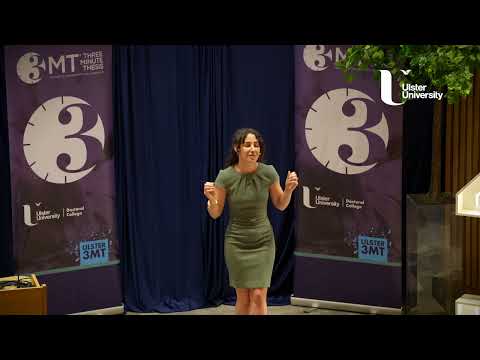
Can Help Really Be Just One Click Away? - Jamie-Maria McNulty

Ulster University
2026
neurodiversity
Neurodivergence
Neurodivergent Young People
youth mental health
adolescent mental health
autism
ADHD
dyslexia
anxiety
depression
Self-Harm
Suicidal Thoughts
suicide prevention
mental health support
Digital Mental Health
digital health
Online Mental Health Support
Mental Health Apps
Help-Seeking
Online Help-Seeking
Mental Health Services
Accessible Mental Healthcare
Neurodiversity-Affirming Care
Inclusive Mental Health
Mental Health Inequalities
Young People
adolescents
teenagers
Northern Ireland
Schools
community mental health
Digital Interventions
wellbeing
Psychological Wellbeing
Mental Health Technology
Healthcare Accessibility
co-design
mental health policy
health services
Neurodiversity Research

This research examines mental health and help-seeking among neurodivergent young people. Northern Ireland data reveal substantially higher rates of anxiety, depression, suicidal thoughts and self-harm, alongside greater online help-seeking. The research evaluates digital mental health support and works directly with young people to develop more accessible, neurodiversity-informed services and guidance.

 

CounselorGPT: Understanding Users of Generative AI for Therapy - Gavin Raffloer

University of Buffalo
2026
AI Therapy
mental health
Chatbots
artificial intelligence
TherapyGPT
Person-Centered Therapy
mental health crisis
Therapist Shortage
COVID-19
anxiety
depression
Loneliness
Systemic Barriers
healthcare access
Fear Of Judgment
Trust In AI
Therapist Failure
Content Analysis
Online Forums
Human-AI Interaction
Therapeutic AI
Digital Mental Health
Confidentiality
patient experience
healthcare innovation
Dissertation
experimental psychology
mental health support
AI ethics
public health

This thesis examines who turns to AI for mental health support, rather than whether AI can be a therapist. Drawing on TherapyGPT forum analysis and ongoing experiments, the research identifies fear of judgment, trust in AI and past therapist failures as possible drivers of AI therapy use.

Subscribe to Digital Mental Health
Footer
  • About My-Thesis.org
  • Contact
  • Website terms and conditions
  • Cookies
  • Privacy policy

Partners

Logo
University of Bristol logo