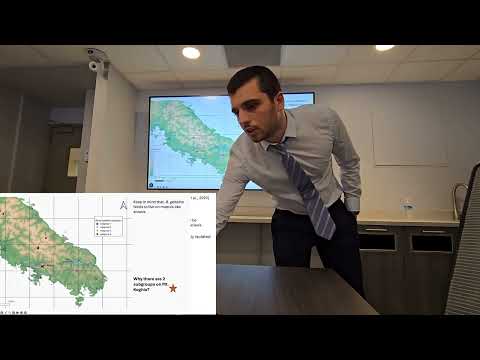
Mustafa presents research on population structure and mitochondrial genome evolution in New Caledonian geckos, particularly Bavayia geitaina and Bavayia septuiclavis. Nuclear markers indicated continuing gene flow within B. septuiclavis, whereas B. geitaina contained two largely isolated populations that meet at Mount Koghi, where introgression with B. sauvagii may also occur. A second study resolved persistent long-range PCR failures by replacing column-based DNA extraction with salt extraction, substantially improving amplification success. Complete mitochondrial genomes revealed extensive control-region repeats, fragmentation, duplication and tRNA rearrangements, demonstrating limitations of short-read sequencing and identifying potentially useful evolutionary characters for future phylogenetic research across diplodactylid geckos.