My PhD explores children’s well-being at ages 10–11 by integrating children’s voices with parent and teacher perspectives. Using child-centred methods, it identifies key influences during a critical transition. The research prioritizes children as experts, informing better measurement, intervention, and long-term understanding of how well-being evolves over time.

This thesis uses theatrical horror to confront the “superwoman schema” that discourages Black women from seeking mental health care. By breaking theatrical contracts to induce unpredictability and empathy, the work mirrors the societal rupture Black women face when pursuing therapy, motivating audiences toward understanding and systemic change.
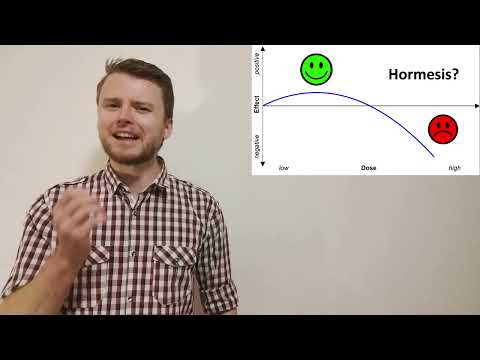
This research applies the concept of hormesis—where low doses are beneficial but high doses harmful—to pornography use. Since excessive porn use is associated with mental-health problems, the project seeks to identify the “healthy limit” of use. Participants will complete daily smartphone surveys over a month, allowing the researcher to model how porn consumption affects well-being and how moral beliefs modify these effects. The goal is to build a personalised app that guides individuals toward safe levels of use and reduces polarisation in debates about pornography.

This study tests whether CBD genuinely reduces anxiety in people with social anxiety disorder. Fifty participants will receive either pharmaceutical-grade CBD or a placebo before a stressful mock interview. Researchers will measure subjective and physiological anxiety and scan participants’ brains to detect CBD’s effects, providing the first clinical evidence for or against its effectiveness.
2022
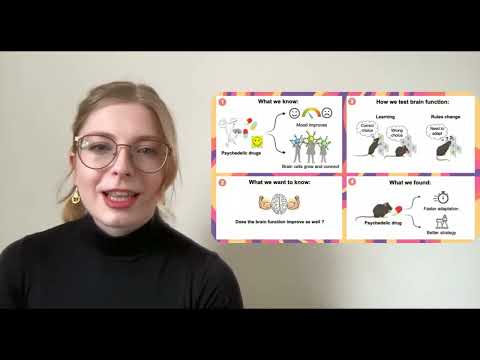
This research tests whether psychedelics improve adaptability in mice. After learning reward rules, mice with a single psychedelic treatment relearned new rules faster and used more information—learning not only from rewards but also from missed rewards. The findings suggest psychedelics enhance behavioral flexibility, offering clues for developing future mental health treatments.
2024
Small business owners face high rates of anxiety, burnout and financial stress. This research shows business advisors—accountants, bookkeepers, consultants—can effectively support clients’ mental health when trained. Evaluating a large-scale advisor training program, the study finds advisor-led support improves owner well-being and offers a scalable solution to Australia’s small-business mental-health crisis.

This research explores masking, unmasking, and disclosure among autistic individuals. Through interviews and surveys, the study shows masking is exhausting and harmful, while unmasking and disclosure can reduce stress and foster authenticity—but only in supportive environments. Findings highlight the need for societal change to genuinely accept autistic people and their differences.
Adolescent depression is common, severe, and highly recurrent, with risk increasing after each episode. This research studies why some young people relapse while others recover, examining biological stress responses, coping styles, social relationships, and lived experience. The goal is to develop interventions that strengthen long-term resilience and improve mental-health outcomes.
2018
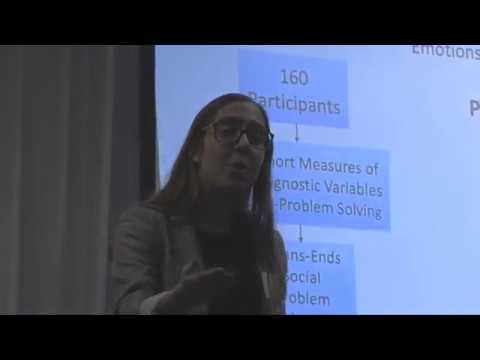
This research investigates why people struggle with interpersonal problem-solving, especially in the context of psychological disorders. Using surveys and the MEPS task with 160 participants, the study found that emotion-regulation difficulties and experiential avoidance explain 46% of poor problem-solving. Improving emotional acceptance may significantly enhance responses to interpersonal conflict.