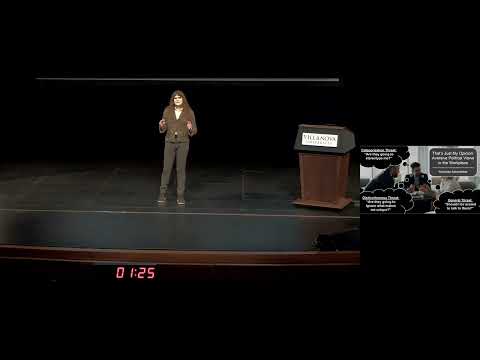
Political polarization increases identity threat during social interactions. This study examines how liberals and conservatives respond to politically and apolitically negative comments. Results show different types of identity threat emerge depending on context, with both groups experiencing similar levels overall. Findings highlight the complexity and nuance of identity threat in political engagement.

This research examines how resettlement housing often fails to foster community despite providing physical shelter. By focusing on culturally responsive design of shared spaces, it explores how environments can encourage interaction, trust, and belonging. The goal is to transform housing into socially cohesive communities through design that reflects real human behaviors and connections.

This research shows that toxic behavior in online games is contagious, especially from teammates. Using machine learning and econometric analysis of 300,000 messages, it finds toxicity spreads socially rather than individually. The study suggests that effective interventions should target breaking transmission patterns rather than simply punishing players to improve online environments.