Year
2025
Summary

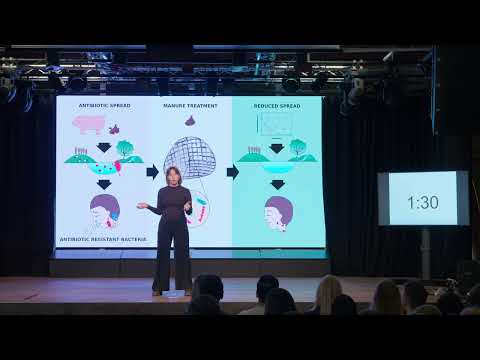
Antibiotic resistance is fueled by antibiotics released into the environment through animal manure. This research shows that aerobic biofilm carrier reactors can degrade up to 92% of antibiotics in manure. Improved manure treatment can reduce environmental reservoirs of resistance and help preserve antibiotics as effective treatments for bacterial infections.

Organisation
Year
2025
Summary

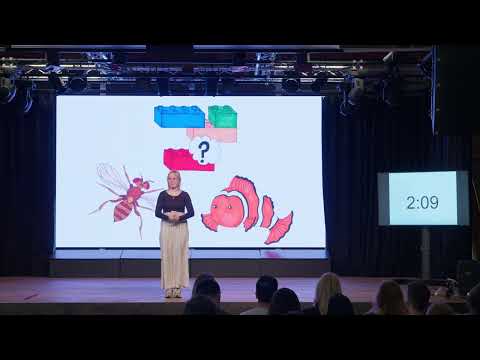
This research uses fruit flies to study the STING immune pathway, revealing how cells detect viral infections. By identifying Nemo as a missing connector protein active only during infection, the work clarifies how immune responses are triggered. These insights may guide future therapies that balance antiviral defense while limiting immune damage.

Organisation
Year
2025
Summary

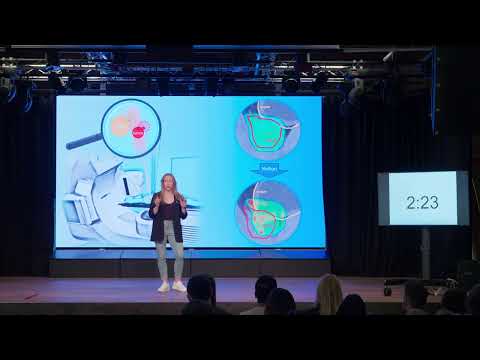
Body motion during radiotherapy can misalign radiation delivery, risking tumor underdosing and healthy tissue damage. This research introduces real-time dose calculation software that tracks motion during treatment, enabling immediate corrections. Clinical testing shows one in five treatments benefit from adjustment, significantly improving radiotherapy safety and effectiveness.

Organisation
Year
2025
Summary

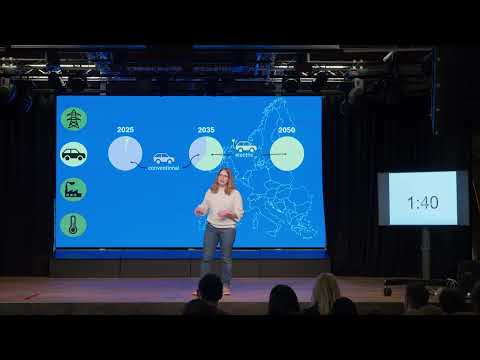
Using a European energy system model, this research compares pathways to climate neutrality by 2050. Focusing on land transport, it shows that electric vehicles are already the cheapest system-wide option, even without emission limits. Early investment in electric car infrastructure accelerates decarbonization and reduces long-term costs across Europe.


Organisation
Year
2025
Summary

Many couples struggle to access timely relationship support, often receiving help too late or not at all. This research shows that low-intensity self-help programs are widely accepted, even by highly distressed parenting couples. Making relationship support accessible and affordable can help more couples strengthen their relationships before problems become irreversible.

Year
2025
Summary

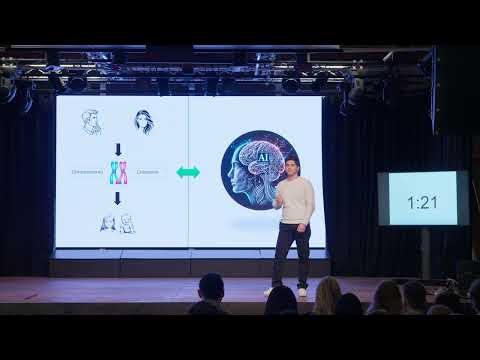
Inspired by biological reproduction, this research uses evolutionary algorithms to evolve mathematical equations that describe physical systems. Unlike black-box AI, these models are transparent and adaptable. By combining evolution with graph neural networks, the approach improves simulations for applications such as traffic control, robotics, and engineering design.

Year
2025
Summary

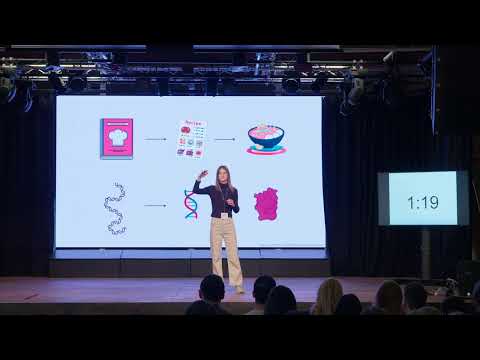
Chickenpox is usually harmless, yet the same virus can cause severe brain infections in some individuals. This research shows that a genetic variant in an immune-system gene reduces antiviral defense, allowing greater viral replication. Identifying such variants helps explain individual vulnerability to severe viral disease.

Organisation
Year
2025
Summary

Hospitals face growing workloads and staff burnout. This study tested simulation-based team training in hospital departments and found improved workplace culture and a 1% reduction in sick leave. Though small in percentage, this translated into nearly 10,000 working hours saved in one year, highlighting training as a powerful tool to support health care staff.


Organisation
Year
2025
Summary

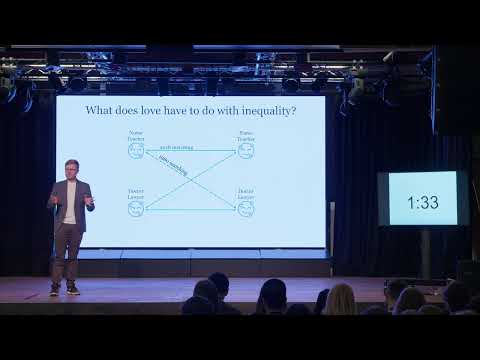
Partner choice increasingly reflects shared career aspirations, intensifying income inequality. Using Danish registry data and machine learning, this research shows assortative matching by education and career focus has risen since the 1980s. If pairing patterns had remained unchanged, today’s income inequality would be over 40% lower, highlighting family formation as a key economic force.


Organisation
Year
2025
Summary

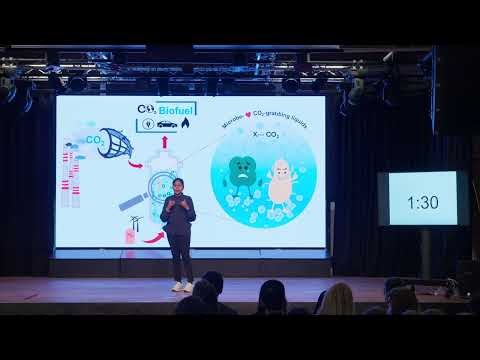
Current CO₂ capture methods are inefficient and harmful to microbes used for biofuel production. This research studies how CO₂-capturing liquids damage fuel-producing microbes and identifies tolerant strains. By understanding microbial responses at the genetic level, it aims to design microbe-friendly capture systems that convert carbon dioxide into useful fuels.