Year
2026
Summary

Using a Twilight analogy, this research explains antibiotic-resistant bacteria as “vampires” protected by membranes. By crystallizing membrane proteins and analyzing them with X-ray techniques, the study reveals their structure and function. This enables precise drug design to block these proteins, potentially overcoming antibiotic resistance and targeting harmful bacteria more effectively.

Year
2022
Summary

This research investigates asthma’s underlying mechanisms, focusing on airway fibrosis and the extracellular matrix. Using Raman spectroscopy, researchers generate molecular “barcodes” of lung tissue. Artificial intelligence is then applied to analyze complex data, aiming to identify key biological drivers of asthma and move beyond temporary treatments toward deeper understanding and potential long-term solutions.

Organisation
Year
2026
Summary

This research investigates the protein SLX4, a key coordinator of DNA repair. Using complementary techniques, it identifies 221 interacting proteins, most previously unknown. Findings reveal a complex network involved in genome maintenance, offering new insights into cellular repair mechanisms and improving understanding of diseases such as cancer.

Organisation
Year
2026
Summary

This research targets rare genetic diseases caused by frameshift mutations using antisense oligonucleotides as “genetic band-aids.” By masking faulty DNA segments, it restores functional protein production. Demonstrated in muscular dystrophy models, this approach offers a scalable strategy to treat multiple rare diseases, addressing a major gap where most conditions lack effective therapies.

Organisation
Year
2025
Summary

This research develops a hybrid drug for dry age-related macular degeneration, combining anti-inflammatory and antioxidant mechanisms. By targeting both inflammation and oxidative stress, it aims to slow disease progression more effectively than existing treatments. Laboratory models test whether the combined therapy outperforms individual or co-administered components in preserving retinal function.

Year
2025
Summary

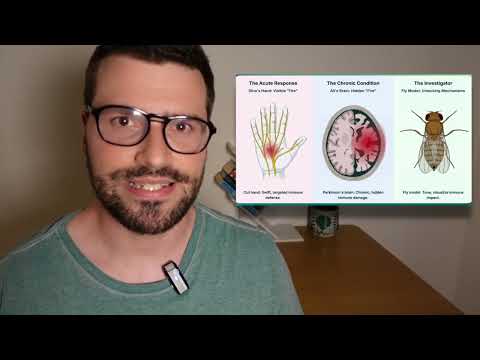
This research explores how immune-related cells and molecules, beneficial in wound healing, may become harmful in Parkinson’s disease. Using the fruit fly as a model organism, the study investigates which inflammatory processes contribute to brain damage. Early results suggest that excessive activation worsens degeneration, offering potential targets for future therapies.

Year
2024
Summary

This research investigates how melanoma switches between two gene states—one fast-growing and treatable, the other slow but highly invasive and responsible for brain metastases. By identifying genes that control this transition, the study aims to force melanoma into a more treatable form, improving therapeutic options and patient outcomes.

Year
2025
Summary

This research investigates how a gonorrhea protein is processed in E. coli using cellular signal sequences, which act like "ZIP codes" directing the protein to its proper location. By identifying effective signal sequences, the study informs potential molecular targets for earlier detection and better treatment, aiming to prevent gonorrhea-related infertility and improve women's reproductive health.


Year
2026
Summary

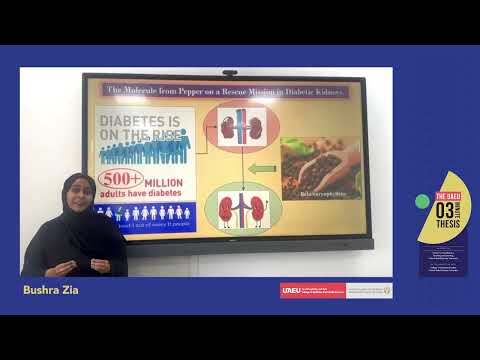
This research investigates β-caryophyllene, a natural compound found in black pepper, as a protective treatment for diabetic kidney disease. The compound shields kidney cells from high-glucose damage, offering a promising, safe, plant-based therapeutic pathway for preventing diabetic nephropathy and improving long-term outcomes for patients.

Year
2025
Summary

This research targets cancer more precisely by focusing on a unique region of the PLK1 protein that drives tumor growth. By designing drugs that bind specifically to this domain using AI and laboratory testing, the approach aims to kill cancer cells while sparing healthy tissue.