Year
2026
Summary

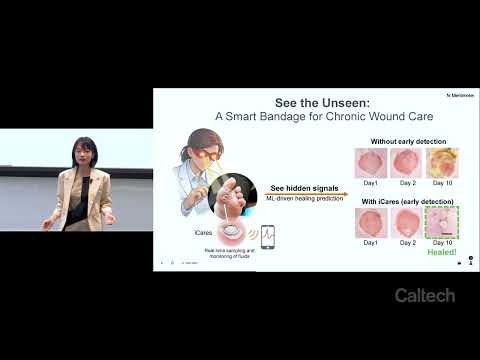
This research introduces iCares, a smart wound-monitoring bandage designed to detect infection and inflammation before visible symptoms appear. Using biosensors, fluid sampling, and machine learning, the system provides real-time wound analysis, enabling earlier intervention, personalized treatment, reduced complications, and improved healing outcomes for patients with chronic wounds.

Year
2022
Summary

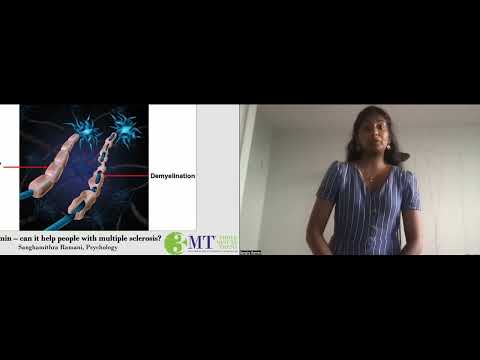
This research examines whether metformin, a common diabetes drug, can improve social cognition in individuals with multiple sclerosis by promoting remyelination. Since MS damages nerve insulation, affecting brain function, the study explores whether treating co-occurring diabetes can reduce inflammation and symptoms, potentially leading to new regenerative therapies and improved quality of life.

Organisation
Year
2026
Summary

Diabetes occurs when pancreatic beta cells that produce insulin are destroyed. Researchers are developing lab-grown beta cells from patient cells, but these cells often remain immature. By activating a missing gene, this study increases beta cell number and insulin release, advancing the development of functional beta cells for potential diabetes cures.

Organisation
Year
2026
Summary

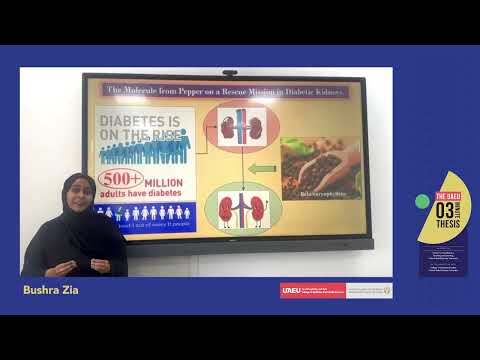
This research investigates β-caryophyllene, a natural compound found in black pepper, as a protective treatment for diabetic kidney disease. The compound shields kidney cells from high-glucose damage, offering a promising, safe, plant-based therapeutic pathway for preventing diabetic nephropathy and improving long-term outcomes for patients.

Year
2025
Summary

This research evaluates whether reflective cool roofs can reduce indoor temperatures and improve health in climate-vulnerable communities. A global randomised controlled trial across four countries will assess impacts on physical and mental health, productivity, and hospitalisations, providing evidence on whether this affordable intervention is cost-effective and capable of saving lives.

Organisation
Year
2025
Summary

PCBs, toxic “forever chemicals” found in older school buildings, accumulate in body fat and trigger harmful inflammation. This research shows that PCB-exposed fat cells recruit excessive immune cells, creating an uncontrolled inflammatory response that contributes to obesity and diabetes. Understanding this mechanism opens pathways for treatments targeting fat–immune cell communication.

Year
2015
Summary

This research investigates how different low-calorie sweeteners interact with the body’s sweet-taste receptor and influence biochemical signaling. By measuring the molecular “messenger” responses triggered by various sweeteners, the project aims to identify which ones have healthier metabolic effects, supporting better choices for weight management, diabetes, and general well-being.

Year
2025
Summary

Type 1 diabetes destroys insulin-producing cells, leaving patients dependent on lifelong injections. Islet transplants could provide freedom, but most cells die quickly. This research uses drug-loaded microparticles that protect transplanted islets, boosting survival, insulin production, and diabetes reversal. The approach could cut costs, reduce donor needs, and transform treatment for multiple diseases.

Organisation