Year
2026
Summary

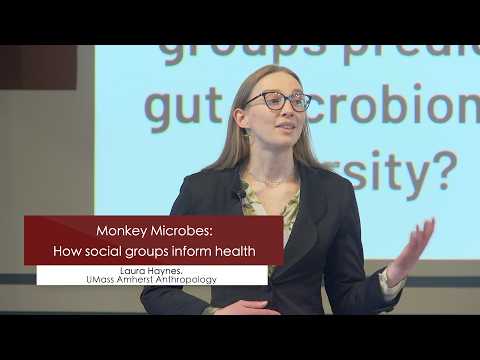
This research examines how social relationships influence the gut microbiome using Rwenzori Angolan colobus monkeys as a model. By combining social network analysis with microbial DNA sequencing, the study explores how beneficial bacteria spread through social groups and caregiving relationships, offering insights into the evolutionary connections between sociality and health.


Year
2025
Summary

This research uses cavefish to reveal how evolution reshapes the brain. By comparing surface and cave-adapted forms, it shows that neural circuits lost to vision are repurposed for touch and smell. These findings demonstrate how evolution refines existing brain structures to meet environmental demands.

Year
2023
Summary

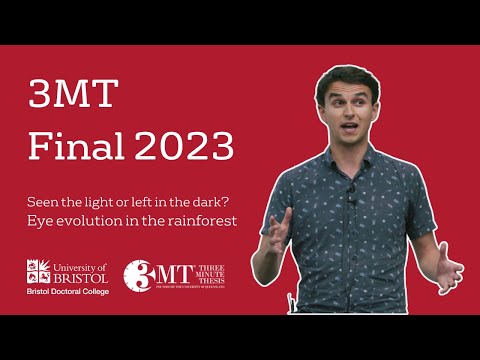
This research investigates how Amazonian butterflies evolve their visual systems to match the light conditions of different rainforest niches. By comparing eye and brain structures across many species, it reveals that evolution repeatedly finds the same sensory solutions, showing that adaptation can be surprisingly predictable and may drive the formation of new species.

Organisation
Year
2023
Summary

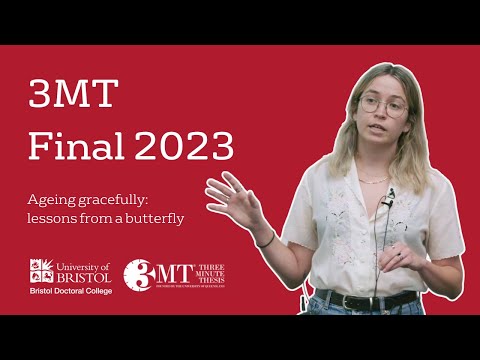
This research studies the unusually long-lived Heliconius butterflies to uncover genetic mechanisms behind extended lifespan. By analysing DNA from butterflies across their lifespan, it aims to reveal evolutionary strategies for longevity that may inform future human ageing therapies. Understanding diverse animal lifespans could guide healthier ageing — without mythical “Fountains of Youth.”

Organisation