Using honeybee communication and disease defense as a framework, this research explores how early warning signals can improve wildlife conservation. By examining indicators of ecosystem health, climate-driven parasite dynamics, and preventative monitoring strategies, it argues that detecting subtle ecological changes early is essential for protecting biodiversity and ecosystem resilience.
Year
2026
Summary
Organisation
Year
2025
Summary
This research investigates how forest soil health underpins resilience to climate change in Nova Scotia. By analyzing physical, chemical, and biological soil properties across diverse sites, the project develops a soil health framework to guide forest management, enhance carbon sequestration, and improve long-term ecosystem resilience.
Organisation
Year
2024
Summary
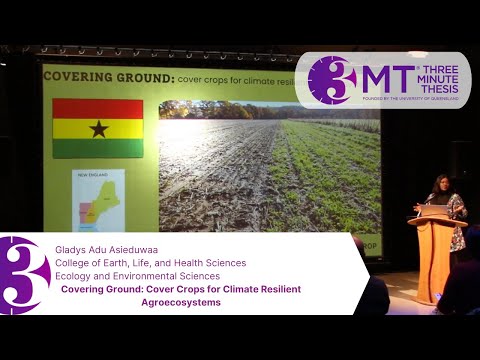
The research promotes interseeding—planting cover crops alongside cash crops—to help farmers in short-season climates protect soil, retain nutrients, and boost resilience. By identifying optimal planting times, crop mixes, and methods, the work dispels myths about competition and shows that interseeding can improve yields and soil health without compromising crop quality.