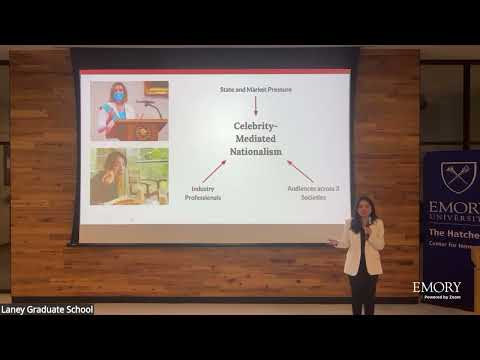
This research examines how nationalism is embedded in China's entertainment industry, where celebrities become vehicles for political messaging. Through archival research, industry interviews, and audience surveys, it shows that nationalism persists through everyday normalisation rather than belief, offering broader insights into the growing intersection of politics, popular culture, and identity.
Year
2026
Summary
Organisation
Year
2026
Summary
This research introduces the “signaling gap,” showing how states use controlled media to communicate positions they cannot express formally. Analyzing 174,000 articles, it finds that Russia-aligned countries signalled disapproval of the Ukraine invasion through negative coverage. The study bridges political science and intelligence practice, highlighting informal communication under constraint.
Organisation
Year
2025
Summary
This research investigates political prediction markets, where people trade on future events like elections. By studying traders, journalists, and political staffers, it examines who drives these markets, how information is used, and whether their forecasts deserve public trust as indicators of democratic outcomes.