Year
2013
Summary

Industrial combustion residue can strengthen concrete but varies in impurity content. This research uses X-ray imaging and computer vision to identify and quantify impurities in residue particles. The results help cement manufacturers optimize material use, improving quality, reducing costs, and supporting sustainable recycling of industrial waste.

Year
2025
Summary

Plastic is indispensable yet environmentally damaging, especially when recycling increases tool wear in manufacturing. This research develops optimized PVD hard coatings that protect production tools without hindering recyclability. By extending tool life and improving efficiency, it supports a more sustainable, circular plastic economy where materials can be reused with less waste.

Organisation
Year
2025
Summary

This research quantifies plastic use in U.S. agriculture, revealing 1.6 million metric tons used annually across crops and products. By identifying major sources and challenges to recycling, the work aims to guide sustainable alternatives, reuse, and recycling strategies that balance environmental, economic, and social needs in farming.

Year
2024
Summary

Fast fashion creates massive environmental damage through synthetic fibres, textile waste, and microplastic pollution. This research develops Ioncell, an eco-friendly, closed-loop technology that dissolves cellulose materials and regenerates durable, biodegradable fibres. It also enables recycling of cellulose textile waste, offering a promising sustainable alternative to synthetic fibres and reducing global textile pollution.

Year
2024
Summary

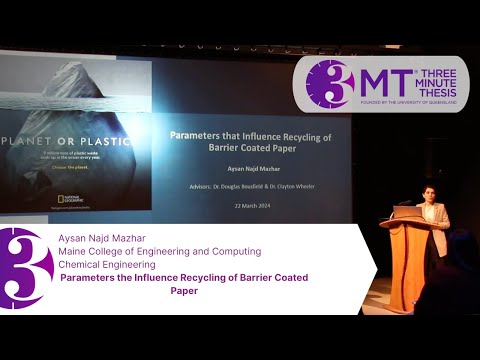
This research tackles the environmental impact of plastic waste by improving the recyclability of coated paper products such as paper cups. By comparing global recycling methods and equipment, the study identifies factors affecting fibre recovery and develops a reliable lab-based protocol to evaluate coated paper recyclability, supporting greener packaging solutions.