Year
2025
Summary

This research uses directional freezing to create realistic plant-based meat textures by forming aligned protein fibres similar to muscle. By improving bite, structure, and consumer appeal, these meat alternatives can reduce environmental impact while offering a sustainable, delicious option. The method is low-cost, scalable, and even possible at home.

Year
2023
Summary

This research seeks to reduce the energy consumption of 4G and 5G networks—currently about 3% of global usage—by identifying the factors that drive it. By modelling how elements like signal noise affect energy demands in antennas and processing hardware, the project aims to guide the design of more efficient, sustainable mobile networks.

Year
2024
Summary

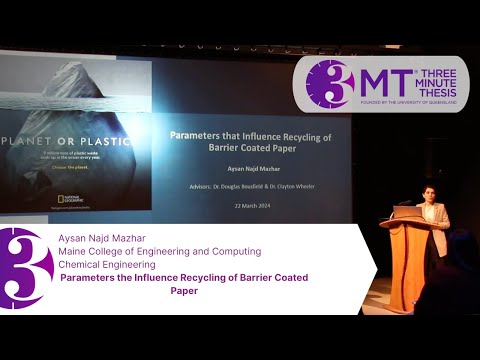
This research tackles the environmental impact of plastic waste by improving the recyclability of coated paper products such as paper cups. By comparing global recycling methods and equipment, the study identifies factors affecting fibre recovery and develops a reliable lab-based protocol to evaluate coated paper recyclability, supporting greener packaging solutions.

Year
2025
Summary

My research uses artificial intelligence to detect water pollution by analysing DNA traces left by aquatic species. Instead of relying on visual signs or costly expert identification, supervised machine learning reads species patterns to determine water quality. The method is faster, cheaper, and more accurate than traditional analysis.

Year
2014
Summary

This research redesigns long wind-turbine blades for low-wind-speed sites by shifting structural strength from the internal spar to the aerodynamic shell. The new “eggshell-like” design reduces bending under the blade’s own weight, requires less material, and lowers costs—helping make wind power cheaper than fossil fuels without relying on political action.

Year
2025
Summary

Electricity access doesn’t always translate into real development benefits. In Timor-Leste, “100% access” still leaves hospitals dark at night. A review of global evidence shows that over a third of electrification outcomes are neutral or negative. This research explores barriers that limit electricity’s impact to inform better policy and community support.

Year
2024
Summary

This research examines the ecological and social feasibility of rewilding Britain, one of the world’s most nature-depleted countries. By modelling where native species could thrive and surveying public attitudes, the project aims to create a national roadmap for restoring lost biodiversity and rebuilding Britain’s fragmented ecosystems.

Organisation
Year
2024
Summary

This research challenges overly conservative engineering methods used to prevent wing buckling in aircraft. By developing more advanced prediction techniques, the project aims to reduce unnecessary structural weight while maintaining safety. Lighter aircraft burn less fuel, offering a practical path toward more sustainable aviation without compromising performance.

Organisation