Year
2015
Summary

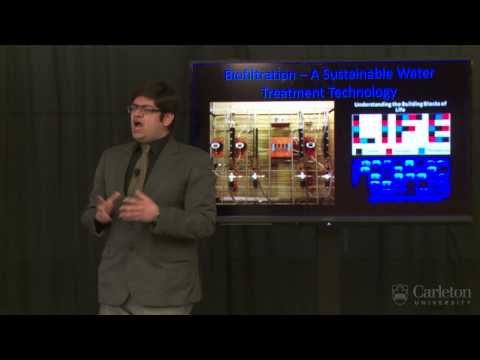
This research explores biofiltration as a sustainable alternative to chemical water treatment. By supplying bacteria with nutrients like nitrogen and phosphorus, it improves removal of harmful organic matter. Results show a 20% efficiency increase, reducing chemical use and risks, and offering a cost-effective solution for safe drinking water worldwide.

Organisation
Year
2026
Summary

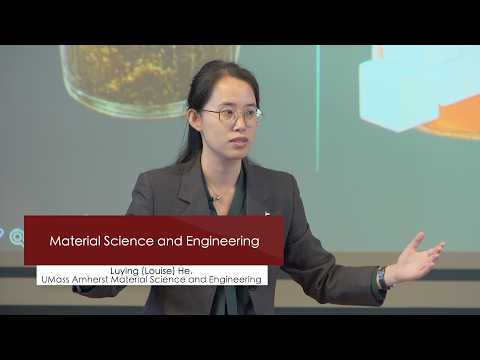
This research addresses the trade-off between sustainability and performance in plastics. By developing a “molecular spring” derived from biomass, the work strengthens biodegradable materials like PLA and enables multifunctional bioplastics. The goal is to create durable, convenient, and sustainable alternatives that support a circular economy without sacrificing everyday usability.

Organisation
Year
2025
Summary

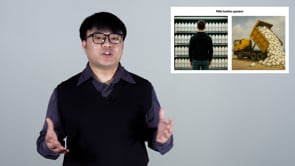
Microplastics are increasingly found in human bodies, driven by everyday plastic use such as milk bottles. This research examines why consumers continue choosing plastic and identifies systemic barriers to reusable options. By improving affordability, convenience, and incentives, sustainable choices can become the default rather than the exception.

Year
2025
Summary

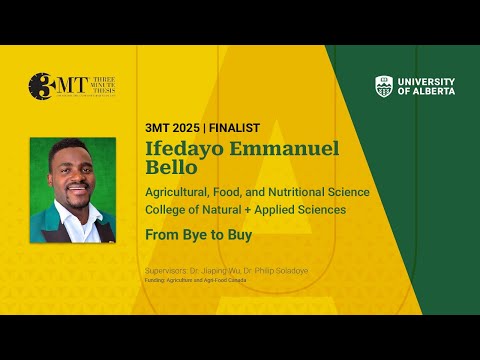
This research tackles Canada’s massive meat-by-product waste by repurposing highly nutritious organs into sustainable, functional food products. Through consumer surveys, protein extraction, and product development, the project aims to shift discarded by-products into valuable ingredients, reducing waste, improving sustainability, and opening new market opportunities for the food industry.

Organisation