This research examines how nineteenth-century literature helped shape modern attitudes toward disability. By analysing French realist novels and their connections to public spectacles such as morgues and wax museums, it argues that bodily difference was transformed into entertainment, influencing how contemporary audiences perceive disability and human value.
2026
This research examines how race and gender shaped tap dance performance during Hollywood’s Golden Age through the careers of Eleanor Powell and Jeni Le Gon. The thesis reveals how MGM appropriated Black performance traditions while suppressing Black performers themselves, demonstrating that dance and performance are deeply political cultural practices.
2026
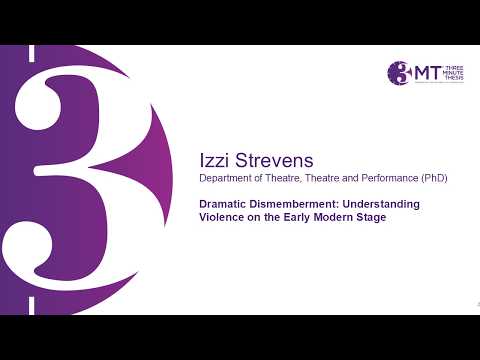
This research examines dismemberment in early modern drama to explore how cultural systems shape human responses to violence. By analysing plays such as Titus Andronicus, the project argues that fear and disgust are historically conditioned rather than purely instinctive, revealing how societies teach audiences to interpret violent imagery across different historical periods
2019
This research explores how Jamaican patois shapes Toronto slang and identity. Through surveys and interviews, it shows that patois influences everyday speech across diverse communities. Far from trivial slang, it fosters belonging, reflects cultural history, and strengthens social ties, highlighting language as a dynamic, unifying force within the Greater Toronto Area.
2026
This research examines how early modern German societies debated human identity through cases of atypical bodies. Religious, legal, and medical perspectives intersected to define personhood and normality. These historical debates shaped rights and inclusion, offering insights into contemporary bioethics and how societies determine what it means to be human.
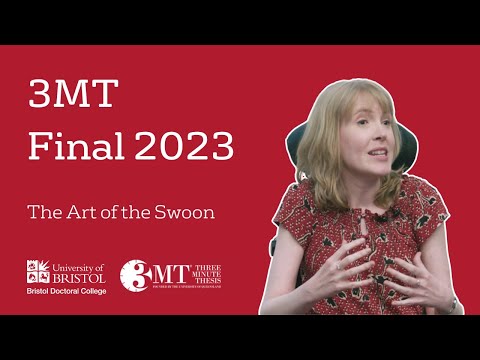
This research examines the cultural history of swooning, showing how it shifted from a masculine trait in medieval romance to a feminised one in early modern theatre. Analysing English plays, it reveals evolving anxieties about emotional expression and gender, offering insights into how social norms continue to shape perceptions of vulnerability today.
2025
This thesis reinterprets early modern English drama to argue that witchcraft plays critique political power rather than reinforce royal authority. By overturning the binary between kings and witches, these works portray rulers as tyrannical and question accusations of witchcraft, revealing how stories of witches shape ideas of power, blame, and misfortune.