This research explores the material culture of the Hindu Pushti Marg tradition by tracing the objects used to care for the child deity Krishna. Through ethnographic work in India and the United States, the thesis reveals how sacred worlds are sustained through often-unrecognized labor crossing boundaries of caste, gender, and religion.

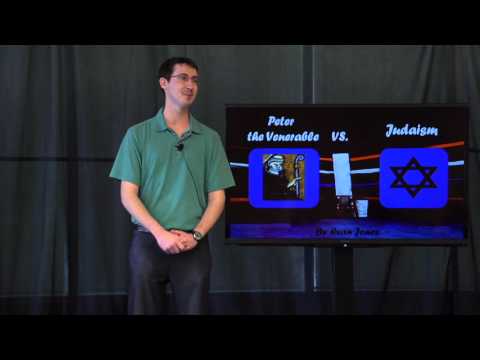
This research analyzes how Peter the Venerable shaped medieval Christian identity through anti-Jewish writings. Beyond logical argument, his texts evoke emotional responses to reinforce division. By examining their influence, the study traces early foundations of antisemitism and highlights how rhetoric shaped interreligious relations and enduring prejudice.

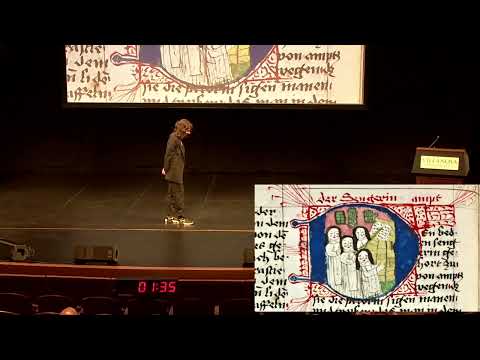
This research examines how early modern German societies debated human identity through cases of atypical bodies. Religious, legal, and medical perspectives intersected to define personhood and normality. These historical debates shaped rights and inclusion, offering insights into contemporary bioethics and how societies determine what it means to be human.