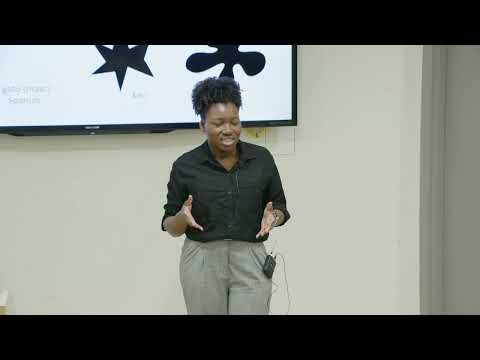
This research investigates sound symbolism: the relationship between particular speech sounds and perceived meanings. By analysing animal names in English, French, and Spanish, it examines whether consonants, vowels, and syllable stress correspond with characteristics such as size and danger, helping explain language evolution and potentially informing language learning and word creation.
This study investigates whether morphological awareness—the ability to understand word structure—can improve literacy in both English and Chinese among bilingual children. Through an eight-week training program, Chinese-English bilingual children learn word-building patterns. The research explores whether morphological awareness can serve as a bridge connecting literacy development across both languages.
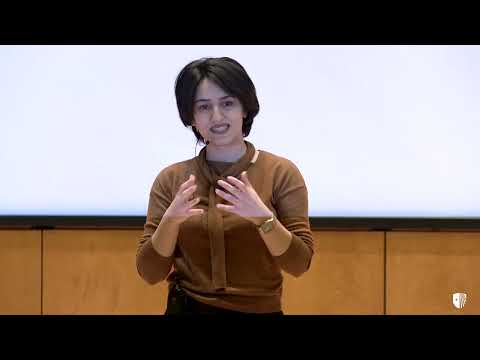
This research investigates sound length in speech, comparing its physical and mental representation across languages. While English treats length as phonetic variation, languages like Japanese use it meaningfully. The study focuses on Persian to improve speech recognition and therapy, helping determine how sound duration is perceived, produced, and processed cognitively.

2024
This research compares English and German preposition use, focusing on when prepositions can be dropped in short answers. Through speaker judgments of dialogue naturalness, it shows that flexibility is context-dependent rather than a simple English–German contrast, revealing subtle grammatical and structural influences.