This research aims to improve literacy for deaf people by developing a practical writing system for sign languages. Because most sign languages lack a standard written form, deaf learners often struggle with written English. The project creates readable sign-language texts and tests whether they can support literacy in deaf communities worldwide.
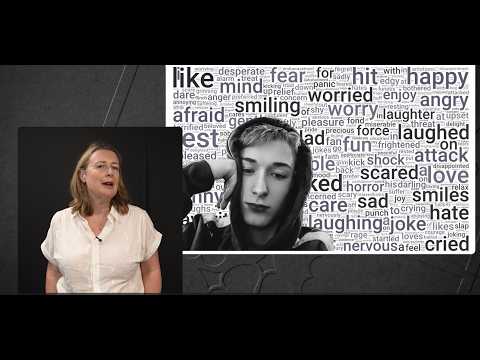
This research investigates whether teenagers miss important socio-emotional development when they stop reading fiction. Using a 2.4 million-word corpus compiled from books read by nearly 700 adolescents, it found rich emotional vocabulary and physical descriptions of emotions that may strengthen emotion recognition, emotional regulation, empathy, and adolescent mental health.
This study investigates whether morphological awareness—the ability to understand word structure—can improve literacy in both English and Chinese among bilingual children. Through an eight-week training program, Chinese-English bilingual children learn word-building patterns. The research explores whether morphological awareness can serve as a bridge connecting literacy development across both languages.