This research shows that genetic risk scores alone are insufficient for predicting chronic disease. By incorporating social and environmental factors using machine learning, disease prediction improves substantially, especially for disadvantaged populations. Integrating genetic and social risk is essential for equitable, effective personalized medicine.

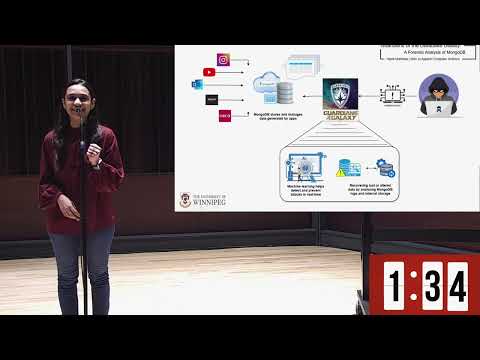
This study looks at how to keep data safe in MongoDB, a type of database used by many businesses to store large amounts of information. As more companies use MongoDB, it becomes a target for hackers who may try to steal or delete important data. While there has been a lot of research into protecting traditional databases, there is less focus on databases like MongoDB. This study explores ways to detect and stop harmful activities in MongoDB, as well as how to recover deleted data. By analyzing the database’s logs, we can track and prevent unauthorized actions. The goal is to create a tool that helps protect databases from attacks like data theft or loss, and ensures data is recoverable if something goes wrong. This tool  will help businesses protect their data and recover it when necessary.
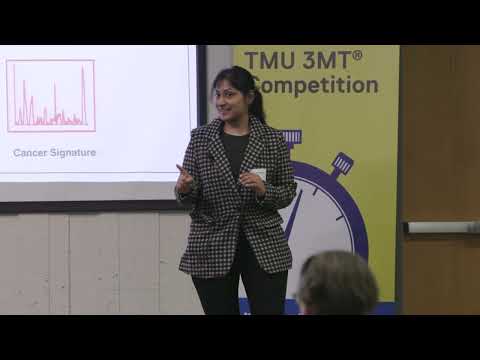
This research uses immune cell “molecular fingerprints” to rapidly detect cancer from a single drop of blood. By combining nanosensors and machine learning, subtle changes in B cells can be identified within minutes. The approach offers fast, accurate, and low-cost cancer detection with the potential to significantly improve early diagnosis and survival.

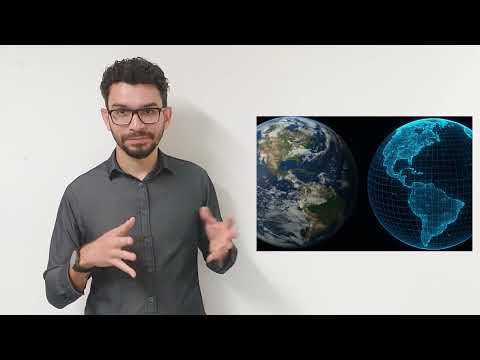
This research explores next-generation digital twins—virtual representations of real-world systems that support decision-making through simulation and AI. By combining decentralization, privacy-preserving architectures, explainable AI, and scenario analysis, the work aims to help individuals and organizations evaluate alternative futures, make informed decisions, and build more transparent intelligent systems.

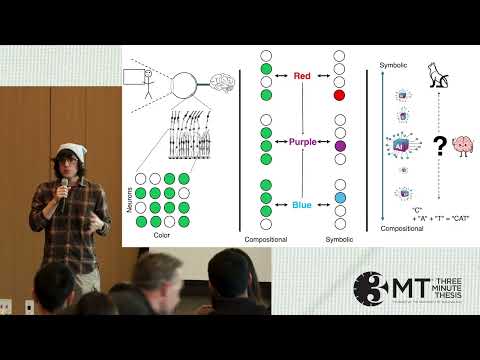
This research investigates the neural “language” of vision, asking whether the brain encodes images using compositional or symbolic patterns. Using machine learning and artificial neural networks, the work reveals evidence for a compositional visual code, informing the future design of advanced visual prosthetics.

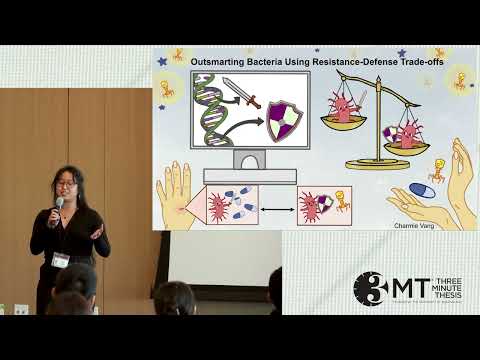
Antibiotic resistance threatens to return medicine to a pre-antibiotic era. This research uses machine learning to study how bacteria balance resistance to antibiotics and bacteriophages. By revealing genetic trade-offs between attack and defense, the work enables smarter combination therapies that exploit bacterial weaknesses and prevent otherwise deadly infections.

This research explores swarms of small, modular robots that cooperate like ant colonies to perform complex tasks. Using control theory, optimization, and machine learning, the work enables resilient, energy-efficient robotic systems that adapt in real time, with applications ranging from disaster response and space exploration to medical technologies.


Variants weaken current COVID vaccines because they target parts of the spike protein that mutate. This project uses nanoparticles displaying engineered versions of the conserved RBD region to steer the immune system toward making broadly protective antibodies. Computational design helps optimize immune targeting, potentially eliminating yearly boosters and protecting against future coronaviruses.

Mel-AI is an artificial intelligence system designed to assist pathologists in distinguishing melanoma from benign moles. By training computer-vision models on 520 cases, the system reached 96% accuracy and interpretable outputs. It offers scalable, objective quality assurance, reducing misdiagnosis risk and improving melanoma detection in high-incidence countries like Australia.

My research improves brain–computer interfaces for children with disabilities by reducing the repetitive calibration needed before use. Using transfer learning and a team-selection algorithm, data from other users help personalise the system, cutting calibration by up to 90%. This makes creative activities like painting more accessible, enjoyable, and sustainable.