This research explores how artificial intelligence systems can continue learning without forgetting previously acquired knowledge. Instead of erasing old information, the proposed method compresses knowledge into more efficient representations, allowing AI systems such as self-driving cars to adapt safely to new environments while avoiding dangerous performance failures during learning.
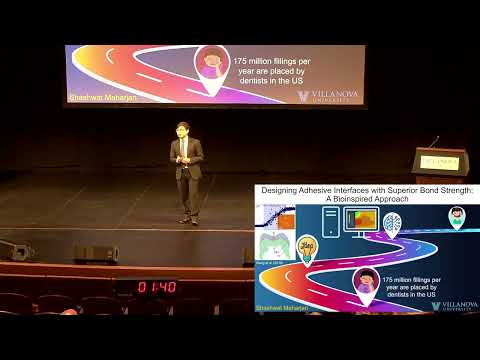
This research addresses the short lifespan of dental fillings by drawing inspiration from natural tooth structure. Using physics-based simulations, it designs materials with improved bonding and durability. The work has broader applications in aerospace, implants, and protective materials, demonstrating how bio-inspired engineering can enhance performance across multiple high-stress environments.

This research explores tidal energy as a reliable renewable source using digital twin technology. By simulating tidal farms in the Long Island Sound, it evaluates performance and environmental impacts before construction. The approach enables efficient, fish-friendly energy design, offering a scalable solution for sustainable ocean-based power generation worldwide.

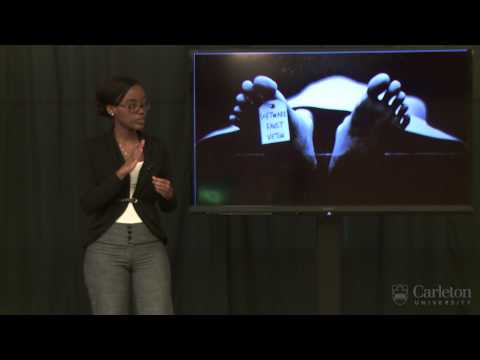
This research focuses on improving the safety of software in critical systems like cars, medical devices, and aircraft. By combining mathematical verification with modeling and simulation, it aims to detect faults before deployment. The goal is to prevent catastrophic failures and ensure that life-critical technologies can be trusted.

This research develops realistic surgical simulation models using 3D printing to improve training for complex procedures. By enabling repeated practice in a safe environment, the models enhance skill, confidence, and performance. The work aims to make advanced surgical training more accessible while reducing errors and improving patient outcomes.

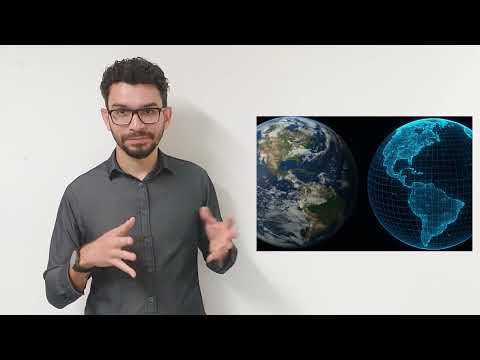
This research explores next-generation digital twins—virtual representations of real-world systems that support decision-making through simulation and AI. By combining decentralization, privacy-preserving architectures, explainable AI, and scenario analysis, the work aims to help individuals and organizations evaluate alternative futures, make informed decisions, and build more transparent intelligent systems.

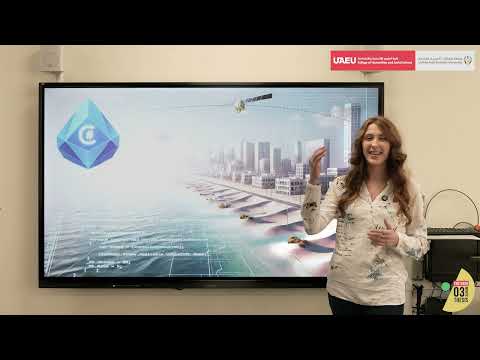
My research uses high-resolution maps and video-game simulation software to model future flooding in Abu Dhabi under projected sea-level rise. The immersive tool helps identify risks, guide infrastructure adaptation, protect sensitive areas, and support long-term planning. By visualizing future scenarios, the project empowers communities and policymakers to take proactive climate action.