This research demonstrates that moving visual stimuli can improve time perception to match the accuracy of auditory cues. Using a novel bouncing-ball experiment, it challenges the belief that hearing is always superior for judging time and offers new insights for assistive technologies, sports performance, human coordination, and cognitive psychology.
2021
This PhD defense presents research at the intersection of machine learning, reinforcement learning, social learning, affective computing, and human-AI interaction. The thesis is that social learning is a powerful mechanism for intelligence and explores how AI agents can learn from one another and from humans. Projects include intrinsic social influence rewards for multi-agent coordination, communication protocols emerging through influence, conversational agents trained from implicit human feedback such as sentiment, generative models improved through facial-expression feedback, and personalized well-being prediction from behavioral and physiological data. The thesis concludes that socially informed learning can improve coordination, adaptability, and human alignment.
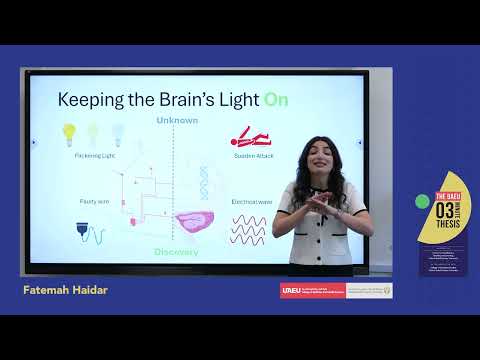
This research investigates episodic ataxia type 1, a rare disorder causing sudden loss of coordination. A genetic mutation triggers abnormal brain firing and electrical waves in the cerebellum. By tracking these waves in mice, the work aims to identify ways to prevent attacks and restore motor control.