2026
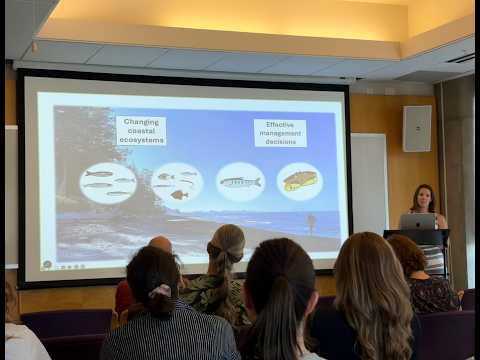
Emily examines how shoreline modification affects coastal fish and crab management in Puget Sound. Her first two chapters show that fish responses to shoreline armor are weak, species-specific, and dependent on spatial scale and life history, while functional diversity differs more among sites than shoreline types. A literature review finds limited direct evidence linking nearshore habitat features to juvenile Chinook salmon growth and survival, except for depth and overwater structures. Her final chapter models Dungeness crab management under illegal harvest, handling mortality, and lost gear, revealing greatest sensitivity to threats removing legal-sized males and highlighting trade-offs among management strategies overall.