
This research uses a traffic analogy to explain gas transport challenges in carbon dioxide electrolysis devices. Despite identical porosity, microstructural connectivity determines performance under flooding conditions. Computational modelling reveals how pathway structure affects efficiency, guiding design improvements that enhance CO₂ conversion into fuels and chemicals, supporting scalable and cleaner energy technologies.
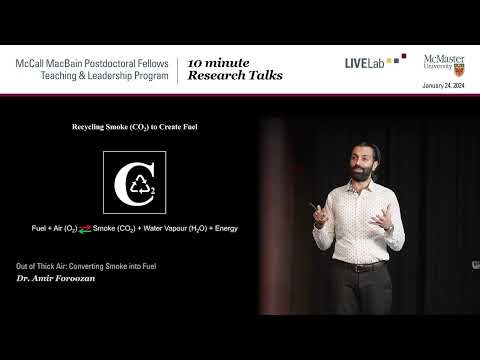
This research explores using renewable electricity to convert carbon dioxide and water into fuels such as ethanol through electrolysis. The work focuses on catalysts and advanced characterization methods needed to improve efficiency and stability. The broader goal is to treat carbon dioxide not just as pollution, but as a recyclable resource.

2024
This research studies a bacterial enzyme called Huc that can generate electricity from trace amounts of hydrogen in the air. By revealing how this nickel-and-iron enzyme captures and converts hydrogen efficiently, the work could inspire low-cost clean energy technologies that reduce reliance on fossil fuels and support a more sustainable future.