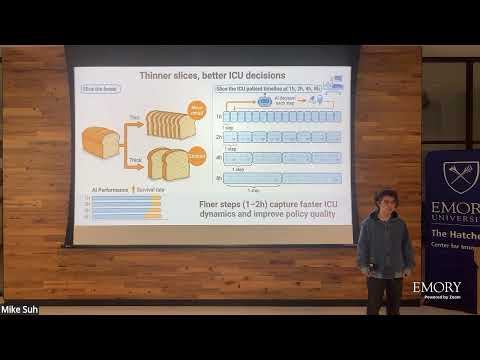
This research investigates how the choice of time interval affects reinforcement learning models for sepsis treatment in intensive care. By comparing one-, two-, four-, and eight-hour patient timelines, it demonstrates that shorter intervals better capture patient dynamics, improve estimated survival outcomes, and may enable more effective AI-assisted clinical decision-making.
2026
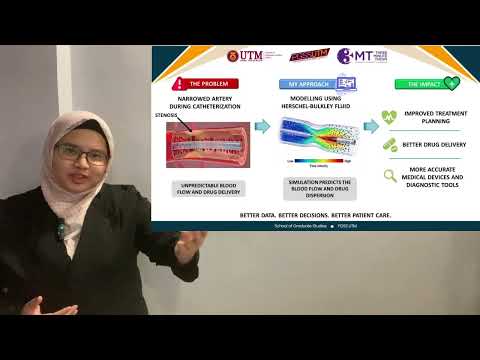
This research models blood flow in narrowed arteries and during catheterization using the Herschel–Bulkley fluid model. By simulating flow and drug dispersion, it identifies factors affecting unpredictability. These insights enable optimized treatments, improved medical device design, and better visualization for clinicians, ultimately enhancing safety and outcomes in cardiovascular care.