Year
2025
Summary

This research develops an affordable, scalable platform for recording electrical activity from brain organoids. Using innovative basket-shaped sensors made from a low-cost conductive material, the system enables simultaneous recording from dozens of mini-brains, accelerating drug discovery and improving our understanding of brain diseases with more human-relevant laboratory models.

Organisation
Year
2026
Summary

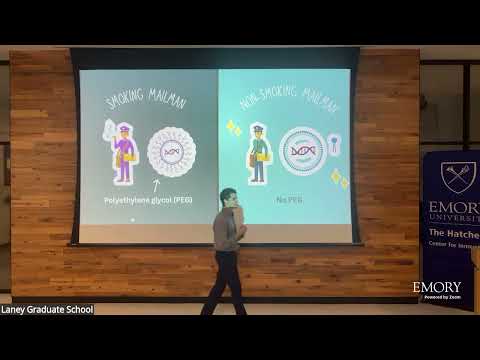
This research engineers DNA-modified exosomes to deliver drugs precisely to cancer cells while avoiding healthy tissue. By disguising natural cell-targeting signals and adding programmable DNA targeting molecules, the platform could reduce treatment side effects and provide a modular delivery system adaptable to many cancers and other diseases.

Year
2019
Summary

This research tackles low protein levels in Western Canadian soybeans. Using RNA sequencing, it identifies gene expression differences between eastern and western crops. The goal is to develop higher-protein soybean varieties suited to harsh climates, improving market competitiveness, supporting farmers, and strengthening sustainable agricultural systems across Canada.

Organisation
Year
2025
Summary

This research explores endophytes—fungi living symbiotically within plants—that produce bioactive compounds aiding plant defense and growth. These compounds have led to major medical breakthroughs like antibiotics and immunosuppressants. Studying endophytes in crops may uncover new drugs and agricultural benefits, highlighting nature’s vast, largely untapped biochemical potential.

Organisation
Year
2026
Summary

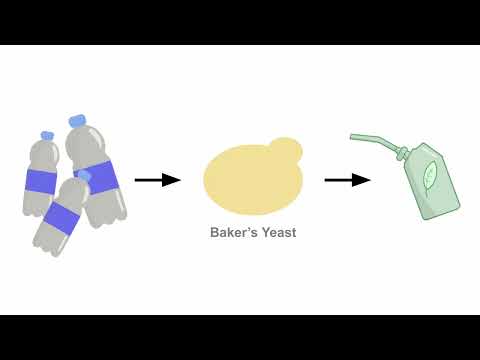
This research engineers yeast to convert PET plastic waste into valuable chemicals like PCA, enabling the production of biofuels, pharmaceuticals, and biodegradable materials. By transforming low-value plastic into high-value products, it offers a scalable biotechnological solution to reduce pollution and support the transition to sustainable, circular economies.

Organisation
Year
2026
Summary

This research improves combination vaccines by addressing antigen competition using injectable hydrogels that slowly release antigens. This approach produces balanced immune responses to multiple diseases, unlike traditional vaccines. The innovation could reduce the number of shots required, improve global vaccine access, and ensure more effective immunization, particularly in underserved populations.

Organisation