Year
2026
Summary

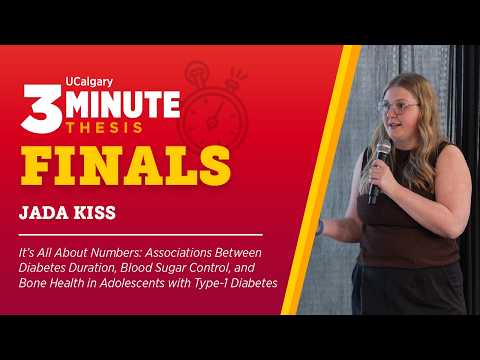
This research investigates how Type 1 diabetes affects bone development during childhood and adolescence. Using high-resolution bone imaging and blood glucose data, the study explores whether blood sugar levels, variability, and disease duration influence bone health. Early findings suggest that diagnosis closer to puberty may be associated with lower bone density.

Organisation
Year
2025
Summary

This Master's study examines dietary changes among Hispanic breast cancer survivors, highlighting disparities in diet quality and survivorship outcomes. Surveying 411 women in Florida, researchers found many reported eating less—often due to treatment side effects—and only 60% met fruit and vegetable recommendations. Findings support integrating dietitians and nutrition education into oncology care.

Year
2026
Summary

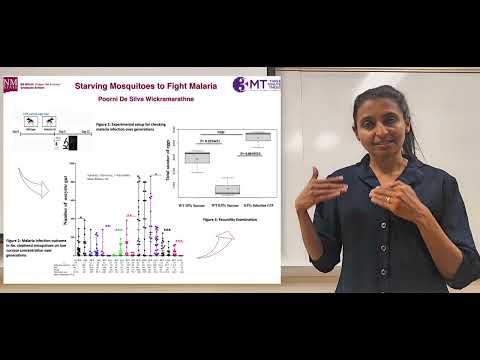
This research explores a novel malaria control strategy by manipulating mosquito sugar metabolism. By forcing Anopheles stephensi to adapt to low-sugar diets across generations, mosquitoes evolved reduced malaria parasite loads. Targeting mosquito nutrition offers a promising alternative to insecticides for controlling malaria and other mosquito-borne diseases.

Year
2025
Summary

As urban living increases, access to green and blue spaces may play a crucial role in pregnancy health. This longitudinal PhD research uses anonymised health records to examine how nearby nature affects maternal mental health and birth outcomes, with evidence suggesting reduced pregnancy complications and important implications for urban planning and public health policy.

Year
2025
Summary

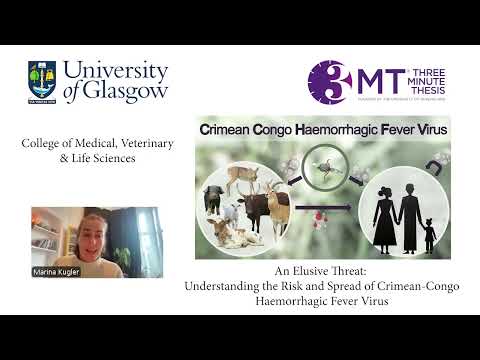
Crimean–Congo haemorrhagic fever is a deadly tick-borne virus affecting communities in Uganda and spreading with climate change. Through interviews and large-scale antibody testing, this research identifies how people are exposed to the virus, informing targeted prevention strategies such as awareness campaigns, tick control, behavioural change, and future vaccination planning.

Organisation
Year
2025
Summary

This research evaluates whether reflective cool roofs can reduce indoor temperatures and improve health in climate-vulnerable communities. A global randomised controlled trial across four countries will assess impacts on physical and mental health, productivity, and hospitalisations, providing evidence on whether this affordable intervention is cost-effective and capable of saving lives.

Organisation