Year
2026
Summary
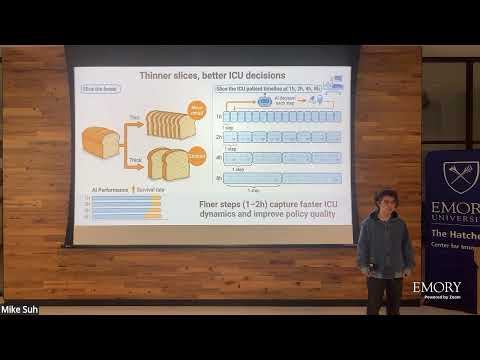
This research investigates how the choice of time interval affects reinforcement learning models for sepsis treatment in intensive care. By comparing one-, two-, four-, and eight-hour patient timelines, it demonstrates that shorter intervals better capture patient dynamics, improve estimated survival outcomes, and may enable more effective AI-assisted clinical decision-making.
Organisation
