Year
2026
Summary

This research investigates how antiviral drug resistance develops by examining structural changes in viral proteins. Using protein crystallography, it identified why SARS-CoV-2 mutations prevent Paxlovid binding and discovered two compounds capable of inhibiting resistant viruses. The findings could guide development of more effective antivirals against future drug-resistant viral infections.

Organisation

Year
2026
Summary

This research explores how redesigning onboarding experiences for contact tracing apps can improve public understanding, trust, and adoption. Through co-design workshops with experts and smartphone users, it identifies strategies that better explain privacy practices, personalise user choices, and reinforce community participation to strengthen future pandemic responses.

Year
2025
Summary

This research develops hybrid lipo-polymeric nanoparticles that overcome major limitations of current mRNA vaccine technology. The particles can be freeze-dried, rapidly loaded with mRNA, and simultaneously deliver therapeutic drugs. Their flexibility improves vaccine storage and distribution while enabling powerful combination therapies, including enhanced cancer treatments with improved survival in preclinical models.

Organisation
Year
2026
Summary

This research uses artificial intelligence to analyse immune-system data and predict vaccine effectiveness. By identifying early biological signals associated with strong, long-lasting immunity, the work aims to improve vaccine design, personalise vaccination strategies, and support development of universal vaccines capable of protecting against rapidly evolving infectious diseases.


Organisation
Year
2026
Summary

This research develops an inhalable treatment for lung infections using nanocrystalline silver with both antimicrobial and anti-inflammatory properties. By adapting proven skin-based technology for respiratory delivery via nebulization, it targets both pathogens and harmful inflammation, addressing a major gap in lung disease treatment affecting over a billion people worldwide.

Organisation
Year
2025
Summary

Acute respiratory distress syndrome (ARDS) causes severe breathing failure and kills tens of thousands annually, yet has no effective treatment. This research studies how ARDS disrupts lung surfactant, a critical stabilizing substance in the lungs. By identifying immune-related factors that damage surfactant, the work aims to develop the first targeted therapeutic cure.

Year
2026
Summary

This research investigates COVID-19 stigma among survivors in Nepal during the pandemic. It found that one-quarter experienced discrimination, social exclusion, and psychological distress. Misinformation, weak health-system preparedness, and lack of public trust fuelled stigma. The study argues that future pandemic preparedness must address social stigma alongside healthcare capacity.

Year
2025
Summary

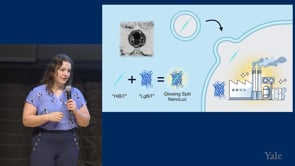
This research develops a rapid, light-based method to study viral fusion, the first step of infection. By applying split NanoLuc technology to HIV, it reveals strain-specific fusion behaviors and unexpected regulatory steps, providing tools that can accelerate responses to future pandemics such as COVID-19.

Organisation