Year
2026
Summary

This research teaches AI to understand and generate the sense of touch by combining visual information with high-resolution tactile data. The technology enables realistic digital textures, improves online shopping, enhances virtual experiences, and creates accessible tactile graphics for blind and low-vision users, making AI more inclusive and human-centred.

Year
2014
Summary

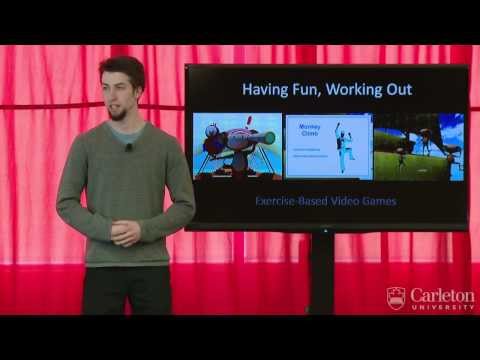
This research explores exergames that combine gaming and exercise to improve fitness. By integrating adaptive difficulty, full-body motion, and narrative storytelling, it aims to create experiences that are both engaging and physically effective. The goal is to motivate sustained exercise by making workouts enjoyable and personalized through game design.

Organisation
Year
2015
Summary

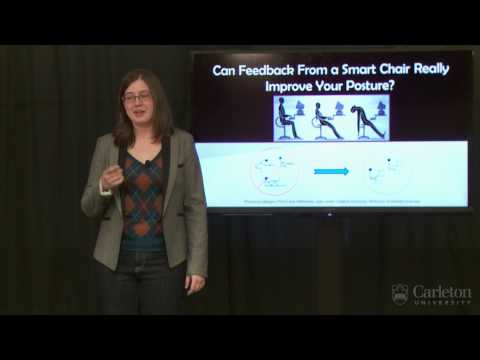
This research investigates smart office chairs that monitor posture and provide real-time feedback to reduce pain and improve ergonomics. By comparing different feedback methods, the study evaluates whether timely reminders can effectively change behavior. The goal is to enhance workplace health while maintaining productivity in increasingly sedentary environments.

Organisation
Year
2018
Summary

This research addresses password accessibility challenges for people with vision impairment. It examines current difficulties and introduces “bend passwords,” a tactile input method using flexible devices. Early findings suggest they are secure and memorable. The work aims to develop inclusive authentication systems that improve digital security and usability for visually impaired users.

Organisation
Year
2019
Summary

This research addresses how social media content can harm employment opportunities. It proposes visualizations that gradually fade old posts, helping users manage privacy and online reputation. Studies show users prefer this approach and employers respond more positively. The goal is automated, user-controlled content decay to balance privacy with social media benefits.

Organisation
Year
2019
Summary

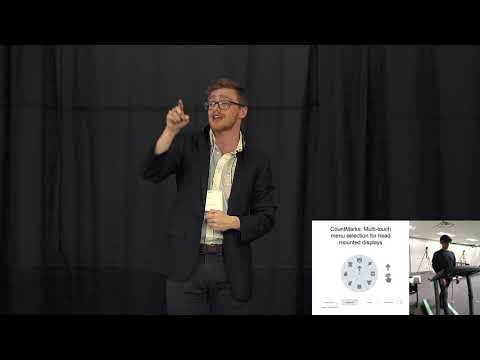
This research introduces “Countmarks,” an ergonomic interaction method for smart glasses using multi-finger gestures on a smartphone. It offers a faster, more accurate, and private alternative to controllers, voice commands, and mid-air gestures. The system improves usability, accessibility, and safety, particularly in real-world contexts like walking or driving.


Organisation
Year
2023
Summary

This research explores how wearable technology can improve video game accessibility for players with upper limb disabilities. Through interviews, it develops design guidelines emphasizing flexibility, independence, and modularity. The project aims to build and test prototypes, advancing inclusive gaming design and ensuring disabled players are better represented in interactive technology development.

Organisation