Year
2026
Summary

This research explores whether altering bodily sensations can change emotional experiences. By manipulating perceived heartbeat, blinking, and muscle tension through wearable devices and virtual reality, it demonstrates that emotions can be reshaped without changing physiology, opening new possibilities for treating trauma, anxiety, eating disorders, and other mental health conditions

Organisation

Year
2025
Summary

This research investigates how AI-generated dating profiles influence romantic attraction. An experimental study found that people were less willing to date someone they believed had used AI than someone who received similar help from a friend, suggesting AI-assisted dating may undermine authenticity and reduce social appeal despite its growing popularity.

Organisation
Year
2026
Summary

This thesis examined how adverse childhood experiences (ACEs) affect mental health and brain development. Using data from the ABCD Study, the researcher found that ACEs were linked to both mental health symptoms and a thicker prefrontal cortex. The findings suggest the brain may adapt to adversity, highlighting new questions about resilience.

Organisation
Year
2026
Summary

This research shows that pauses in information streams alter decision-making. After a break, the brain increases effort, giving greater weight to subsequent information—a “peak-after-break” effect. A computational model explains this as a performance-effort tradeoff. Findings challenge traditional theories and suggest strategic pauses can shape attention, memory, and judgment.

Year
2026
Summary

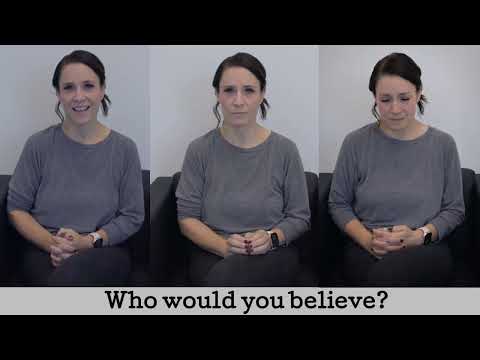
This research examines how trauma-related emotional expression influences police perceptions of victim credibility in sexual assault cases. By testing whether brief trauma education reduces bias, it proposes a low-cost intervention to improve investigative decisions. The goal is to ensure victims are believed based on evidence, not emotional display, promoting justice and accountability.

Organisation
Year
2023
Summary

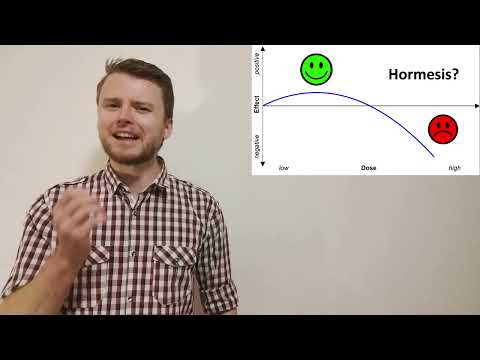
This research applies the concept of hormesis—where low doses are beneficial but high doses harmful—to pornography use. Since excessive porn use is associated with mental-health problems, the project seeks to identify the “healthy limit” of use. Participants will complete daily smartphone surveys over a month, allowing the researcher to model how porn consumption affects well-being and how moral beliefs modify these effects. The goal is to build a personalised app that guides individuals toward safe levels of use and reduces polarisation in debates about pornography.