Year
2026
Summary

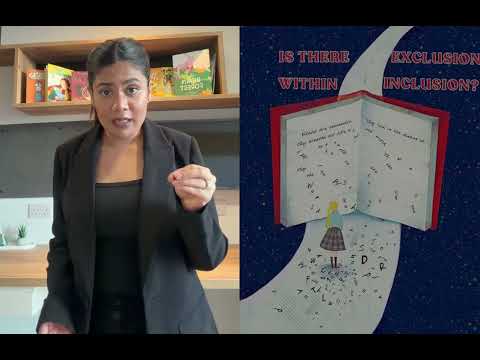
This research explores how children's literature represents neurodiversity and how those representations shape children's sense of identity and inclusion. By gathering perspectives from readers and educators, the project aims to develop a reading programme featuring authentic, diverse stories so every child can see themselves reflected in literature.

Organisation
Year
2025
Summary

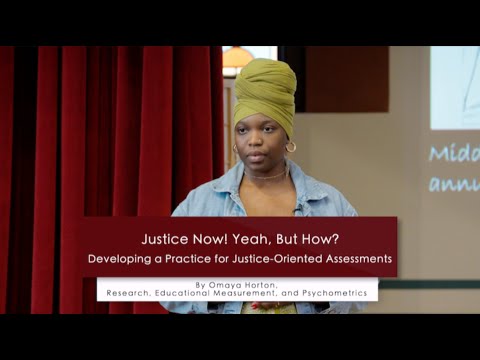
This research examines how educational assessment systems can become more just, inclusive, and culturally relevant. Using participatory action research, it proposes a five-step framework emphasizing community collaboration, anti-racist assessment design, continuous revision, and student-centered approaches that prioritize equity, engagement, identity, and educational justice over standardized measurement alone.

Year
2026
Summary

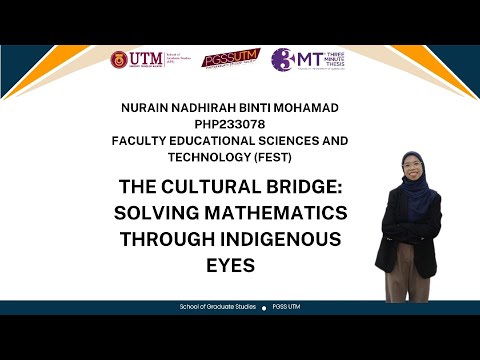
This research uses ethnomathematics to make learning culturally relevant for Indigenous students like Awang. By connecting mathematical concepts to daily life and traditions, it improves engagement, identity, and understanding. The approach supports inclusive education aligned with SDG4, ensuring classrooms adapt to students rather than forcing students to adapt to them.

Year
2023
Summary

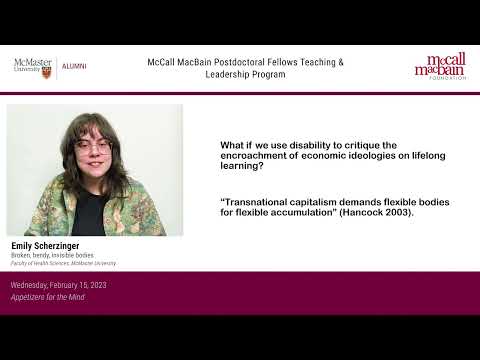
This talk critiques Western lifelong learning policies through a disability justice lens, arguing that education has been shaped by individualism and market value rather than collective care and inclusion. Drawing on personal experience with hypermobility, it reframes disability as a source of interdependence, imagination, and new educational possibilities.

Organisation
Year
2026
Summary

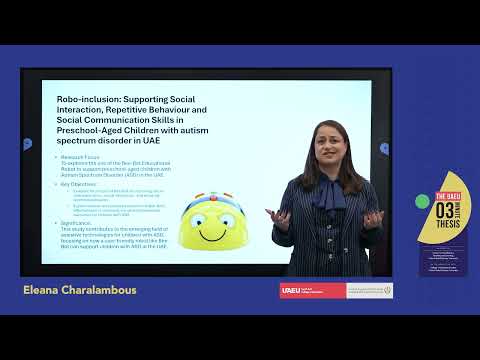
This research investigates the use of Bee-Bot, a programmable robot, to support children with autism. Structured robot-based activities aim to improve communication, social interaction, and purposeful play, while incorporating parent and teacher perspectives to assess long-term developmental and behavioral benefits.