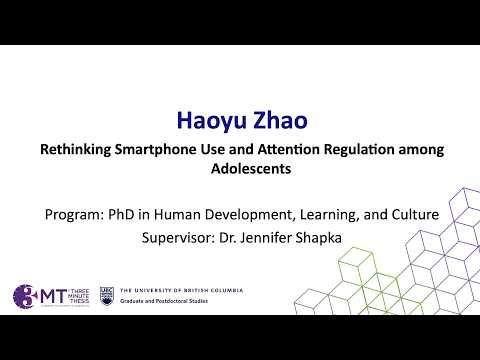
Year
2026
Summary

This study examined more than 2,000 adolescents to explore how habitual smartphone use affects attention. While frequent habitual use predicted poorer attention regulation, smartphones also fulfilled psychological needs for competence, autonomy, and relatedness, which partially protected against these effects, suggesting that how adolescents use smartphones matters as much as how often.

Year
2025
Summary

This study examines prejudice toward asexual individuals by analyzing links with social dominance orientation, traditional gender roles, and moral disengagement. Surveying 300 participants, it finds all three traits predict higher prejudice. The research advances understanding of bias mechanisms and informs future interventions to reduce discrimination against asexual individuals.

Organisation
Year
2026
Summary

Political polarization increases identity threat during social interactions. This study examines how liberals and conservatives respond to politically and apolitically negative comments. Results show different types of identity threat emerge depending on context, with both groups experiencing similar levels overall. Findings highlight the complexity and nuance of identity threat in political engagement.

Organisation
Year
2015
Summary

This research explores procrastination by examining how people relate to their future selves. Using guided mental imagery exercises, it aims to strengthen emotional connection with the future self. Improved connection may reduce procrastination, helping individuals make better decisions today to achieve long-term goals and enhance overall well-being.

Organisation