Year
2026
Summary

This research explores how autoimmune disease affects identity in young adults. Interviews with 25 New Zealanders revealed that diagnosis reshapes identity, relationships with the body, and perceptions of disability. The findings suggest that supporting identity—not just treating disease—could improve health behaviours, wellbeing, and long-term outcomes for people with autoimmune conditions.


Organisation
Year
2026
Summary

This research explores whether altering bodily sensations can change emotional experiences. By manipulating perceived heartbeat, blinking, and muscle tension through wearable devices and virtual reality, it demonstrates that emotions can be reshaped without changing physiology, opening new possibilities for treating trauma, anxiety, eating disorders, and other mental health conditions

Organisation
Year
2025
Summary

This dissertation develops brain-charting methods to support precision psychiatry and neurology by measuring how an individual’s brain differs from population norms. Using normative modelling, it replaces conventional case-control averages with personalised deviation scores across age and disease progression. The research introduces warped normative models for non-Gaussian imaging data and multivariate extreme-value methods for identifying unusual patterns across brain regions. Applications to rare copy-number variants and Parkinson’s disease reveal individual differences obscured by group averages. The defence also examines longitudinal monitoring, environmental influences, resilience, ethics, stigma and clinical implementation, while emphasising that brain deviations alone cannot define pathology or determine treatment.

Year
2026
Summary

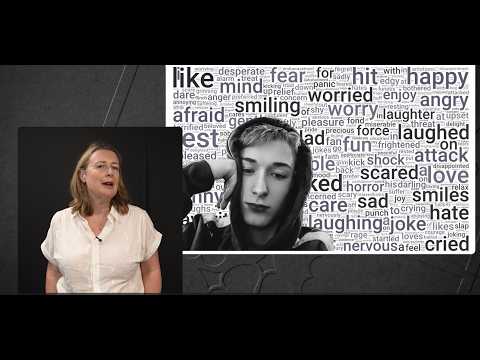
This study examined more than 2,000 adolescents to explore how habitual smartphone use affects attention. While frequent habitual use predicted poorer attention regulation, smartphones also fulfilled psychological needs for competence, autonomy, and relatedness, which partially protected against these effects, suggesting that how adolescents use smartphones matters as much as how often.

Year
2023
Summary

This research investigates how loneliness affects brain function across adulthood. Using brain imaging, it identifies age-related differences in activity within the caudate, a region involved in social reward processing. The findings suggest loneliness alters how people perceive social interactions, supporting the development of personalized, age-appropriate interventions to reduce chronic loneliness.

Year
2026
Summary

This research explores how early-life stress alters the gut microbiome and its communication with the brain, challenging the traditional "leaky gut" theory of anxiety. Using a comprehensive, lifespan-wide approach, it identifies a potential new mechanism that could enable more personalized treatments for patients who do not respond to current anxiety therapies.

Organisation