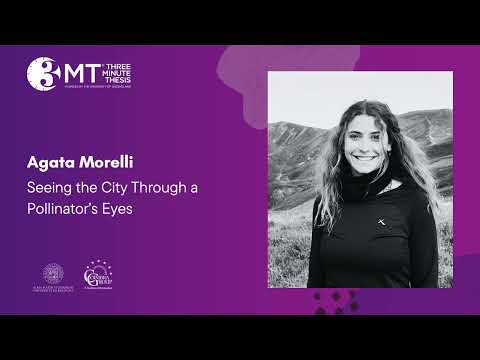
This research explores how urban environments can support pollinators despite habitat loss and fragmentation. It highlights the importance of diverse planting, connected green spaces, and less intensive maintenance. By rethinking urban design and aesthetics, cities can become viable ecosystems that sustain pollinators essential for food systems and biodiversity.
Year
2026
Summary
Organisation
Year
2025
Summary
Urban farms in Baltimore need reliable irrigation water. This research tested harvested rainwater for E. coli, Listeria, and Salmonella, and evaluated two treatments: sand–iron filtration and peracetic acid sanitizing. Both reduced E. coli, and sanitizing eliminated Listeria. Produce remained contamination-free, suggesting treated rainwater is a viable supplemental irrigation source.