Year
2026
Summary

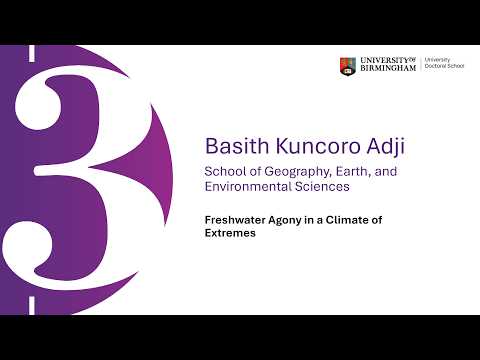
This research investigates how freshwater organisms respond to climate extremes such as warming rivers and drought. Using field surveys, experiments, and modelling, it examines whether species can adapt to higher temperatures and what costs that adaptation may carry. Understanding these limits is crucial for protecting ecosystems, water security, and biodiversity.

Year
2023
Summary

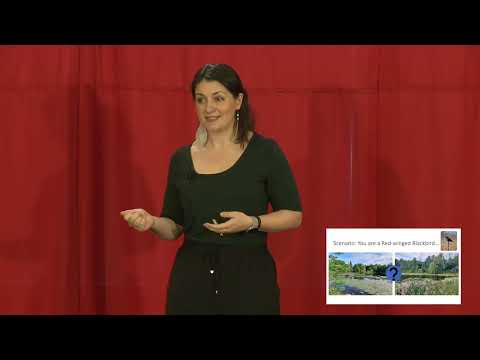
This research examines whether stormwater management ponds support bird biodiversity as effectively as natural wetlands. Focusing on red-winged blackbirds, it compares habitat quality and ecological drivers of species diversity. With widespread wetland loss, findings aim to improve pond design and retrofitting to better support wildlife within urban environments.

Organisation
Year
2026
Summary

This research explores how urban environments can support pollinators despite habitat loss and fragmentation. It highlights the importance of diverse planting, connected green spaces, and less intensive maintenance. By rethinking urban design and aesthetics, cities can become viable ecosystems that sustain pollinators essential for food systems and biodiversity.

Organisation
Year
2026
Summary

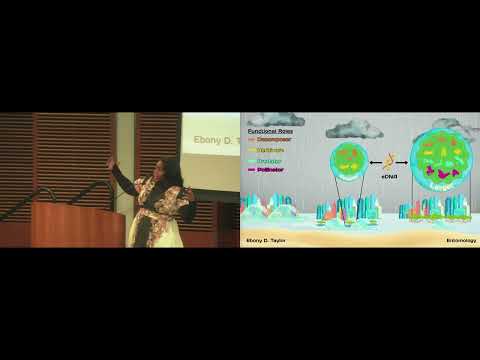
This research investigates whether small mangrove patches can effectively protect coastal areas from hurricanes. Using insect biodiversity and environmental DNA, it evaluates ecosystem functionality across patch sizes. The goal is to identify the minimum viable size for resilient mangrove systems, informing urban planning and improving coastal protection in space-limited environments.

Year
2026
Summary

This study modeled wild edible mushroom yields in Mediterranean forests using Planet satellite imagery, LiDAR, climate data, and field measurements. Results show that seasonal NDVI differences, precipitation, and forest structure are key predictors. Integrating high-resolution intra-annual remote sensing significantly improves yield prediction and ecological understanding.

Year
2026
Summary

This project addresses the gap between national and local forest data by integrating Spanish National Forest Inventories, forest maps, and municipal boundaries into interactive dashboards. Using Palencia as a case study, it tracks long-term evolution of pine and oak forests, supporting local decision-making through accessible visualization of forest stocks, carbon storage, and ecosystem services.

Year
2026
Summary

This study reviews mangroves of the Americas and their vulnerability to climate change. Mangroves are vital carbon sinks, biodiversity hotspots, and coastal protectors, but face threats from deforestation, pollution, and urban expansion. Effective conservation requires ecosystem-based restoration, improved management, and reduced human pressures to ensure long-term resilience.

Year
2026
Summary

This research examines Rotterdam’s urban tree planting practices and their impact on air quality and drought resilience. Findings show that current reliance on single-species tree lines reduces resilience, while greater species and functional diversity improves pollutant removal and climate adaptability. The study recommends transitioning to mixed-species, biodiversity-focused urban forestry strategies.