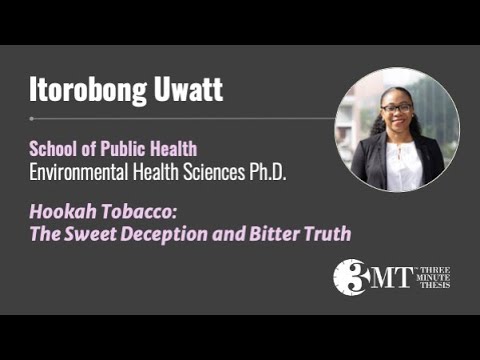
This research challenges the misconception that hookah smoking is safe. By studying flavors, sugars, and toxicants, it reveals high levels of carcinogens and nicotine, especially harmful to children exposed secondhand. The work combines chemical analysis and community engagement to inform policy, shift behaviors, and protect vulnerable populations.

This research examines whether addictive plant alkaloids like caffeine, nicotine, and morphine alter pollinator behavior. Using robotic flowers, it shows bees prefer drug-spiked nectar, learn cues faster, and may make suboptimal feeding choices. The work explores whether pollinators can develop dependency or withdrawal, suggesting plants may chemically manipulate their pollinators.