
This anthropological research investigates traditional medicinal uses of psilocybin mushrooms in Lesotho. Interviews with local healers revealed treatment practices that differ substantially from Western clinical models, including low-dose administration over extended periods and applications for epilepsy and psychosis. The findings may broaden future directions for psychedelic medicine research.
2025
This research develops automated tools to identify psychedelic-inspired compounds that restore lost neural connections associated with depression, anxiety, and addiction. Using advanced imaging and custom analysis software, the project screens potential therapeutics that promote neuronal growth, aiming to create treatments that repair brain circuitry rather than simply managing symptoms.

This research examines harm reduction practices and their limitations within systems of prohibition. While designed to support people without judgment, institutional rules and boundaries restrict access. Case studies reveal how these constraints can increase risks, including overdose, highlighting a gap between harm reduction philosophy and real-world implementation.
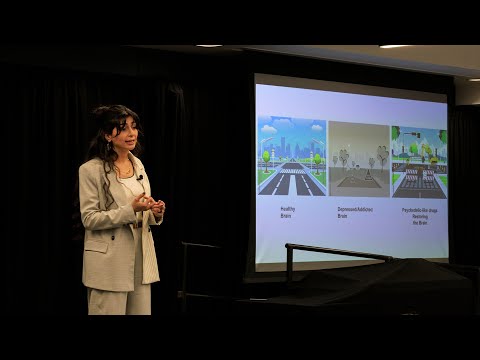
Mental health disorders disrupt neural connections in the brain, yet most treatments only manage symptoms. This research explores psychedelic-inspired drugs that restore lost brain connections without hallucinogenic effects, using automated imaging tools to identify compounds that rebuild neural structure and offer lasting recovery.

This research examines whether addictive plant alkaloids like caffeine, nicotine, and morphine alter pollinator behavior. Using robotic flowers, it shows bees prefer drug-spiked nectar, learn cues faster, and may make suboptimal feeding choices. The work explores whether pollinators can develop dependency or withdrawal, suggesting plants may chemically manipulate their pollinators.

This research examines how combined THC and alcohol use alters neural communication and increases alcohol consumption. Using animal models, the study shows that co-use disrupts the glutamate system, heightening motivation to drink. Regulating glutamate with the compound CDPPB reduces alcohol intake, highlighting glutamate as a promising therapeutic target for addictio

2024
This research uncovers how two proteins, GluA1 and PKC, regulate behavioural flexibility in the striatum. Deleting GluA1 causes animals to get “stuck,” mirroring symptoms in OCD, addiction, and autism. A new molecular tool restores flexibility by 80% in hours, offering a potential pathway for future neuropsychiatric treatments.