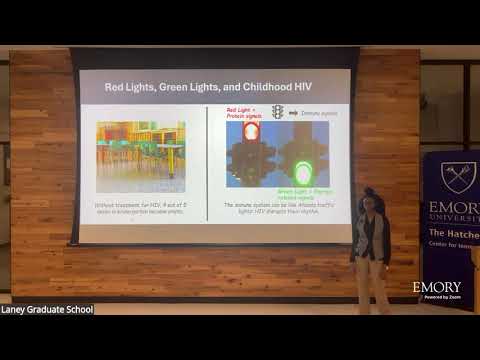
This research investigates how HIV disrupts the developing immune system in early life. Using a baby monkey model of HIV infection, the study identifies immune signals that either promote or limit infection spread. The findings could guide new immune-targeted therapies that improve survival and long-term outcomes for children living with HIV.
2026
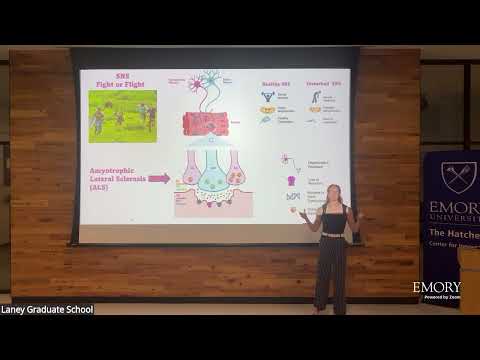
This research shows that the sympathetic nervous system is disrupted at the earliest stages of ALS, despite sympathetic neurons themselves remaining intact. Early loss of signalling receptors may contribute to muscle degeneration and disease progression, identifying new opportunities for earlier diagnosis and therapies that preserve muscle function and improve patient outcomes.

2025
This dissertation develops brain-charting methods to support precision psychiatry and neurology by measuring how an individual’s brain differs from population norms. Using normative modelling, it replaces conventional case-control averages with personalised deviation scores across age and disease progression. The research introduces warped normative models for non-Gaussian imaging data and multivariate extreme-value methods for identifying unusual patterns across brain regions. Applications to rare copy-number variants and Parkinson’s disease reveal individual differences obscured by group averages. The defence also examines longitudinal monitoring, environmental influences, resilience, ethics, stigma and clinical implementation, while emphasising that brain deviations alone cannot define pathology or determine treatment.

2025
This research uses artificial intelligence to predict the progression of Alzheimer’s disease and cancer using medical imaging data. By analyzing brain scans, tumor scans, and treatment responses, AI models can forecast disease development and treatment outcomes, enabling earlier intervention, more personalized care, and improved quality of life for aging populations.
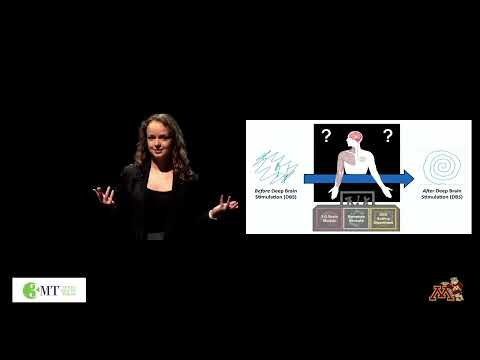
This research uses advanced brain imaging, long-term clinical monitoring, and sensor data to understand why deep brain stimulation helps Essential Tremor patients—and why it sometimes stops working. By modelling neural pathways and analysing two-year outcomes, the project identifies optimal DBS targets and the main causes of treatment failure, improving long-term patient care.