
This research develops atomically thin graphene filters that selectively capture carbon dioxide from industrial gases. By creating precisely sized pores using light and a reactive chemical, the process works at room temperature, is 300 times faster than conventional methods, and could enable production of large filters for industrial carbon capture.
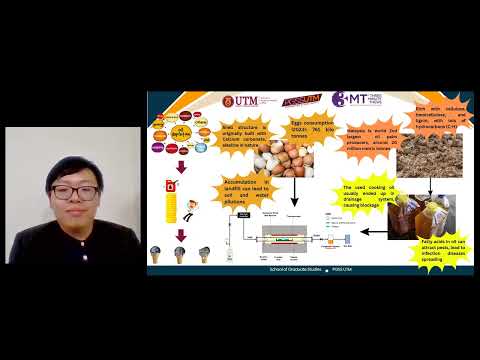
This research converts organic waste—empty fruit bunches, used cooking oil, and eggshells—into biofuel. Using eggshell-derived catalysts lowers energy requirements for pyrolysis, producing hydrocarbon-rich fuels. The approach addresses waste management while reducing reliance on fossil fuels, offering a sustainable and environmentally friendly alternative energy solution.
This research improves data center energy efficiency by analyzing processor instruction sequences. By identifying and fusing recurring instruction patterns, existing general-purpose processors can execute workloads more efficiently. Even small gains at the instruction level can significantly reduce energy consumption, operating costs, and carbon emissions across large-scale data centers.