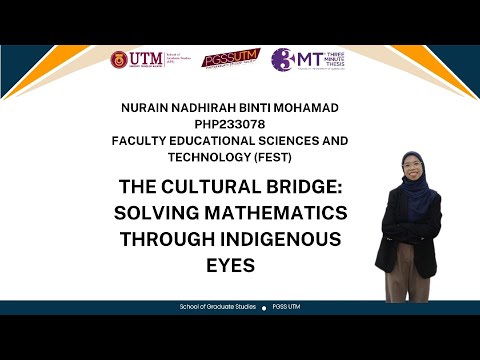
This research uses ethnomathematics to make learning culturally relevant for Indigenous students like Awang. By connecting mathematical concepts to daily life and traditions, it improves engagement, identity, and understanding. The approach supports inclusive education aligned with SDG4, ensuring classrooms adapt to students rather than forcing students to adapt to them.
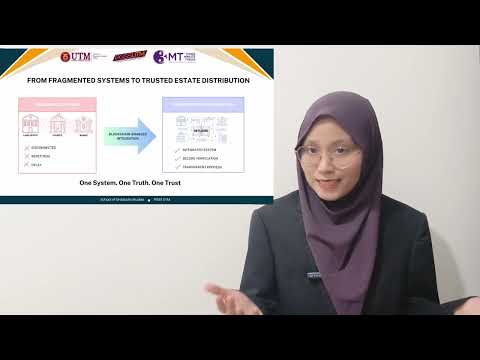
This research addresses inefficiencies in estate distribution in Malaysia by improving the existing “my land” system. It proposes a connected ecosystem linking agencies, enabling secure data sharing, transparency, and streamlined processes. The goal is to reduce delays and disputes, creating a faster, more trustworthy system that better supports families during bereavement.

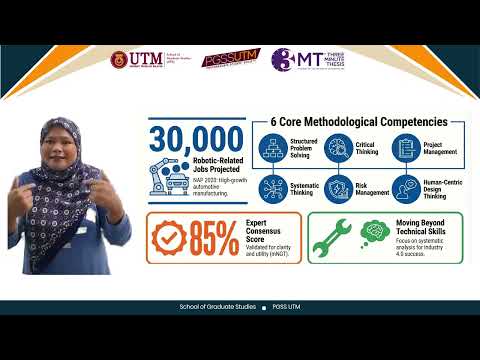
This research addresses the growing skills gap in Malaysia’s automotive robotics sector. It develops a competency framework emphasizing problem-solving, critical thinking, and structured methodologies. Validated by experts, the framework aligns education with industry needs, helping graduates better prepare for automation-related jobs and improving workforce readiness in a rapidly evolving industry.

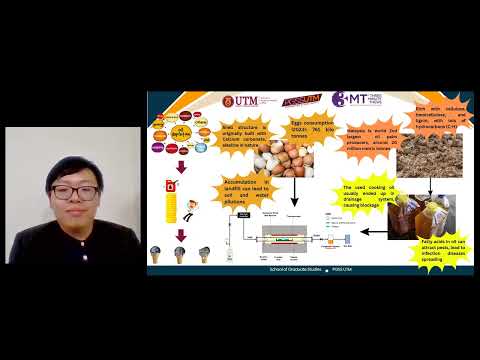
This research converts organic waste—empty fruit bunches, used cooking oil, and eggshells—into biofuel. Using eggshell-derived catalysts lowers energy requirements for pyrolysis, producing hydrocarbon-rich fuels. The approach addresses waste management while reducing reliance on fossil fuels, offering a sustainable and environmentally friendly alternative energy solution.