This research uses ethnomathematics to make learning culturally relevant for Indigenous students like Awang. By connecting mathematical concepts to daily life and traditions, it improves engagement, identity, and understanding. The approach supports inclusive education aligned with SDG4, ensuring classrooms adapt to students rather than forcing students to adapt to them.
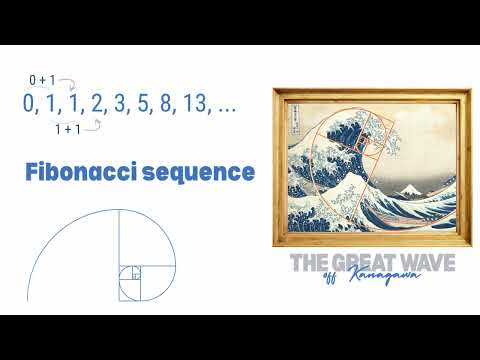
This research develops a new way to measure mathematical language by integrating words, symbols, and graphs. Through experimental tasks, it shows that these skills predict mathematical performance. The findings highlight the importance of teaching connections between representations, with implications for improving mathematics education and understanding how language shapes learning.