Year
2026
Summary

This research explores how early-life stress alters the gut microbiome and its communication with the brain, challenging the traditional "leaky gut" theory of anxiety. Using a comprehensive, lifespan-wide approach, it identifies a potential new mechanism that could enable more personalized treatments for patients who do not respond to current anxiety therapies.

Organisation

Year
2025
Summary

This research has developed a five-minute smartphone memory test that detects subtle cognitive changes associated with early Alzheimer's disease. The tool identified symptom-free individuals with underlying disease and predicted future cognitive decline, outperforming expensive brain scans while offering a simple, accessible, and affordable approach to early diagnosis.

Organisation
Year
2026
Summary

This talk explores red light laser therapy as an accessible recovery approach for minor brain injury. Using a portable device applied to eight head areas, the research tracks fatigue, pain, attention, memory, brain activity and saliva markers. Early participants showed improved symptoms, suggesting promise for practical, inclusive brain health support.

Organisation
Year
2025
Summary

This research investigates how communication between the heart and brain influences cognition and mental health. By studying heart rate variability, vagus nerve activity, and neural oscillations, it reveals a direct effect of heart rhythms on brain function, offering new insights into schizophrenia, mental illness, and body-based therapeutic interventions.

Organisation
Year
2025
Summary

This research applies fluid mechanics, numerical simulations, and machine learning to model the brain’s waste-clearance system during sleep. By investigating how fluid moves through brain tissue and how aging or injury affect this process, the work aims to identify strategies for preventing or slowing neurodegenerative diseases such as Alzheimer's.

Organisation
Year
2026
Summary

This research develops a method to deliver EGCG, a green tea compound known to break apart Alzheimer's-related protein tangles, into the brain. By chemically attaching EGCG to a carrier that can cross the brain's protective barrier, the project aims to create a potential therapeutic strategy for slowing memory loss and disease progression.

Organisation
Year
2026
Summary

This research investigates how the olfactory system of the Spanish ribbed newt adapts between aquatic and terrestrial environments. By analyzing cellular and genetic changes in the nose, the study reveals remarkable sensory plasticity, offering broader insights into nervous system flexibility and potential implications for understanding neurodegenerative diseases such as dementia.

Organisation
Year
2025
Summary

This research investigates oleosomes, natural oil-protecting structures found in plants, as a way to preserve healthy lipids against oxidation. Using walnuts as a model system, the study showed that intact oleosomes dramatically extend lipid stability and shelf life, potentially enabling healthier, more sustainable food products rich in beneficial fats.

Year
2022
Summary

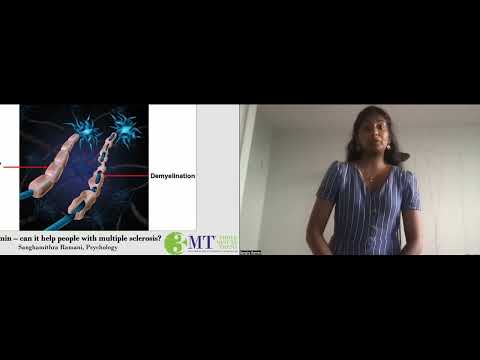
This research examines whether metformin, a common diabetes drug, can improve social cognition in individuals with multiple sclerosis by promoting remyelination. Since MS damages nerve insulation, affecting brain function, the study explores whether treating co-occurring diabetes can reduce inflammation and symptoms, potentially leading to new regenerative therapies and improved quality of life.

Organisation
Year
2025
Summary

This talk presents a new noninvasive MRI method to visualize the brain’s immune response. By imaging inflammation without injections or contrast agents, the research offers new insights into Alzheimer’s disease, ALS, and traumatic brain injury, helping researchers better understand how brain inflammation contributes to neurological disorders.