Year
2026
Summary

This research addresses rural water scarcity in Colombia by developing a household treatment system combining filtration and solar disinfection. Using engineering models, it optimizes flow, pathogen inactivation, and sunlight exposure to ensure reliability. The approach delivers safe, simple, and sustainable water access, reducing disease and improving quality of life in underserved communities.

Year
2026
Summary

This research addresses the lack of psychological support for bereaved parents in low-resource settings. After reviewing global evidence and consulting experts and parents, it aims to develop a culturally appropriate, community-based intervention in Malawi. The goal is scalable, evidence-based support integrated into health systems to reduce mental health risks after pregnancy and neonatal loss.

Year
2026
Summary

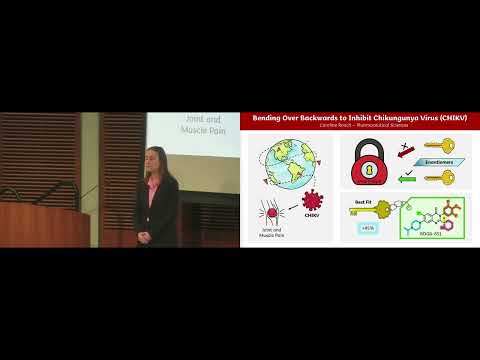
This research develops small-molecule treatments for chikungunya virus using a lock-and-key approach targeting viral proteins. A key challenge—molecular orientation (enantiomers)—was addressed with a new synthesis method producing over 95% effective molecules. The optimized compound, BDGR-651, shows promise as a future antiviral treatment for this debilitating disease.

Year
2025
Summary

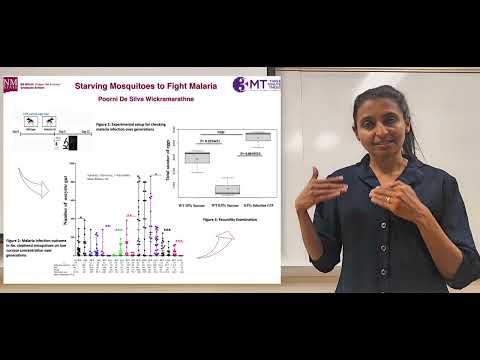
Malaria still kills hundreds of thousands annually, while drug and insecticide resistance spread. This research shows that limiting mosquito sugar supply alters their evolution, reducing malaria parasite burden over generations. Targeting mosquito sugar metabolism offers a novel, sustainable strategy for controlling malaria and other mosquito-borne diseases.


Year
2026
Summary

This research explores a novel malaria control strategy by manipulating mosquito sugar metabolism. By forcing Anopheles stephensi to adapt to low-sugar diets across generations, mosquitoes evolved reduced malaria parasite loads. Targeting mosquito nutrition offers a promising alternative to insecticides for controlling malaria and other mosquito-borne diseases.

Year
2025
Summary

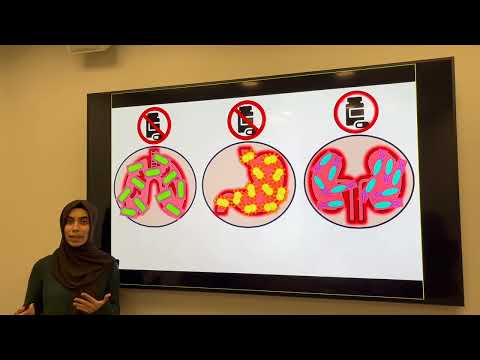
This research investigates how bacteria develop resistance to antibiotics, a growing global health threat. By identifying resistant bacteria and analysing how they chemically modify antibiotics, the work aims to uncover resistance mechanisms. These insights are essential for preserving antibiotic effectiveness and safeguarding treatments against life-threatening infections.

Organisation
Year
2025
Summary

This research investigates how MRSA loses its antibiotic resistance by shedding the SCCmec genetic element. Environmental stressors such as heat and dryness increase this vulnerability, while antibiotics alone reinforce resistance. Understanding these mechanisms could enable new strategies to reverse resistance and improve treatment options for life-threatening MRSA infections.

Year
2025
Summary

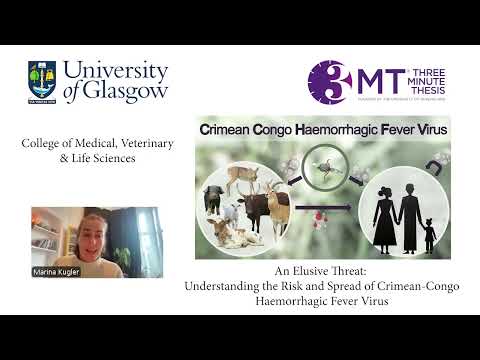
Crimean–Congo haemorrhagic fever is a deadly tick-borne virus affecting communities in Uganda and spreading with climate change. Through interviews and large-scale antibody testing, this research identifies how people are exposed to the virus, informing targeted prevention strategies such as awareness campaigns, tick control, behavioural change, and future vaccination planning.

Organisation
Year
2026
Summary

This research investigates COVID-19 stigma among survivors in Nepal during the pandemic. It found that one-quarter experienced discrimination, social exclusion, and psychological distress. Misinformation, weak health-system preparedness, and lack of public trust fuelled stigma. The study argues that future pandemic preparedness must address social stigma alongside healthcare capacity.

Year
2025
Summary

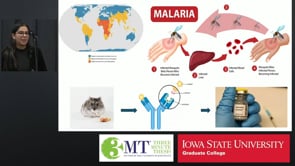
Malaria infects hundreds of millions each year by using the parasite Plasmodium to invade the liver through the CSP protein. This research designs tightly binding antibodies to block infection at its earliest stage, improving vaccine effectiveness and offering a path toward preventing malaria before symptoms begin.