Year
2025
Summary

This research advances health equity for neurological patients by improving health literacy, engaging communities through participatory research, and implementing evidence-based healthcare practices. By designing communication around patients' lived experiences, it aims to improve treatment adherence, reduce health disparities, strengthen caregiver support, and create more accessible, person-centered healthcare systems.

Organisation
Year
2025
Summary

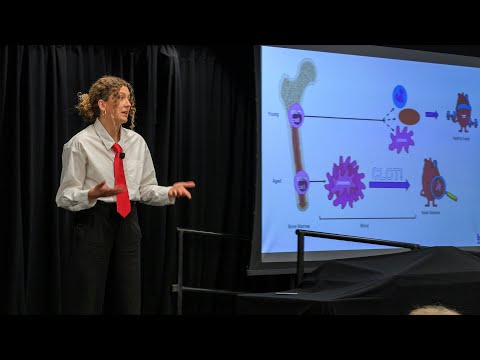
This research investigates how aging changes blood stem cells, causing them to produce excess sticky platelets that increase the risk of heart attack and stroke. By identifying the genetic mechanisms behind this age-related shortcut, the work aims to develop therapies that reduce cardiovascular disease while improving healing in patients with low platelet counts.

Organisation
Year
2026
Summary

This research investigates how misfolded Islet Amyloid Polypeptide (IAPP), a protein associated with Type 2 diabetes, affects blood clot formation. Laboratory experiments showed that misfolded IAPP creates unusually dense and resilient clots. These findings may help explain elevated cardiovascular risk in diabetes and identify new targets for preventing heart attacks and strokes.

Organisation
Year
2026
Summary

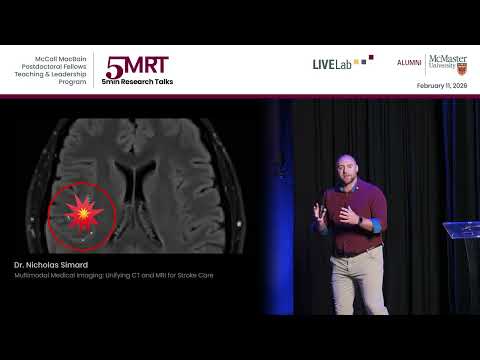
This research combines CT and MRI brain imaging using machine learning to detect stroke risk markers more quickly. By translating fast CT scans into MRI-level insights, clinicians may identify dangerous intraplaque hemorrhages earlier, improving stroke prevention and diagnosis. The multimodal approach could also enhance imaging for neurological diseases such as Alzheimer’s and Parkinson’s.

Year
2025
Summary

This research develops a novel MRI-based method to detect blood–brain barrier leakage associated with stroke. By comparing pre- and post-contrast brain images, the approach enables early detection, monitoring of treatment response, and risk prediction, offering new possibilities for stroke prevention and improved patient outcomes

Year
2018
Summary

Aphasia impairs language but not necessarily communication. My research explores how people with aphasia use nonverbal cues, interaction with conversation partners, and contextual support to communicate effectively despite limited language skills. By testing these elements in the lab, the work aims to improve therapy methods and real-world communication outcomes for people with aphasia.