2025
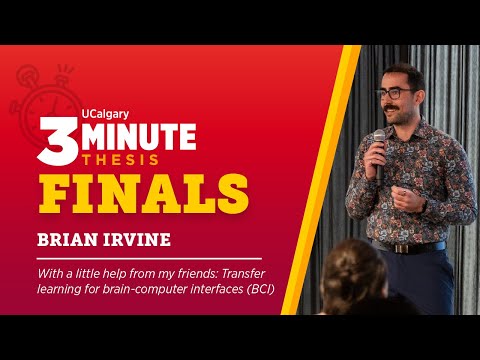
This PhD uses brain-inspired AI to decode vision from neural data. Using human fMRI (24 hours of Doctor Who) and monkey electrophysiology, signals are transformed into 2D brain maps to improve reconstruction. The model learns receptive-field structure, compares contributions of V1/V4/IT, and aims for efficient, interpretable decoding with applications to neuroscience and BCIs.