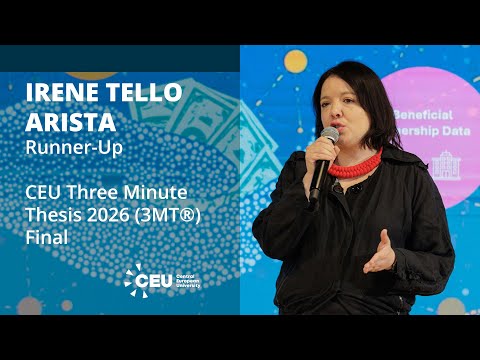
This research examines how beneficial ownership registers can expose corruption in public procurement. By analyzing data quality, corruption adaptation strategies, and ownership complexity, it shows how gaps and missing data can be used to detect fraud and design smarter anti-corruption efforts, ensuring public funds reach essential healthcare.

This research explores using blockchain to secure land records in Indonesia, where fragile paper systems fuel disputes and injustice. By creating tamper-proof, transparent, and shared records, blockchain could restore trust in land ownership—while raising critical questions about digital access, inclusion, and equity.

This research develops a model to identify unreliable or manipulated environmental, social, and governance (ESG) claims made by South African companies. Using prior studies and a large ESG database, the model detects authenticity, flags potential manipulation, and cross-checks with known scandals. The goal is to measure genuine ESG commitment and protect stakeholders from misleading sustainability reporting.