This research explores tidal energy as a reliable renewable source using digital twin technology. By simulating tidal farms in the Long Island Sound, it evaluates performance and environmental impacts before construction. The approach enables efficient, fish-friendly energy design, offering a scalable solution for sustainable ocean-based power generation worldwide.
2014
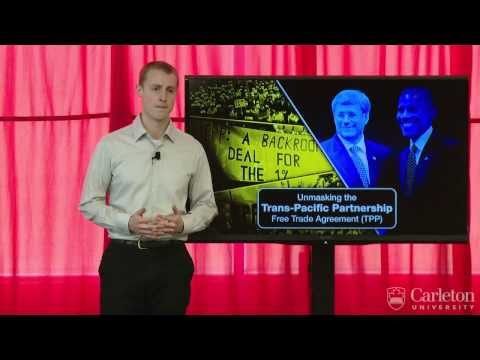
This research critiques the Trans-Pacific Partnership, arguing that its economic benefits are unevenly distributed. While corporations gain, most Canadians face higher costs, reduced digital freedoms, and environmental risks. The study calls for shifting the debate from overall growth to a clearer analysis of who benefits and who bears the costs.
This research examines how hydropeaking dams cause fish stranding due to rapid flow changes. Using camera monitoring and modeling, it identifies environmental factors like substrate type and seasonal fish abundance that increase risk. The work highlights the need to balance renewable energy production with ecological sustainability in freshwater systems.
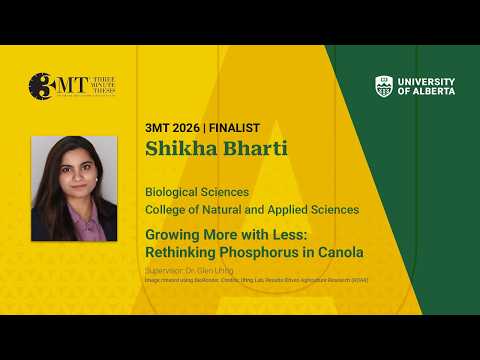
This research improves phosphorus use efficiency in canola by identifying plant traits that unlock soil-bound nutrients. By screening varieties and targeting genetic markers, it aims to breed crops that reduce fertilizer dependence, lower costs, and minimise environmental impact, contributing to more sustainable and resilient agricultural systems.

2025
This research evaluates hydroponic farming as a sustainable food production strategy. By combining interviews, environmental modeling, and economic simulations, it compares hydroponic and conventional agriculture, finding reduced water use but higher energy demands. The work identifies conditions under which hydroponics can support farmers, communities, and environmental goals.

This research quantifies plastic use in U.S. agriculture, revealing 1.6 million metric tons used annually across crops and products. By identifying major sources and challenges to recycling, the work aims to guide sustainable alternatives, reuse, and recycling strategies that balance environmental, economic, and social needs in farming.
This research tackles Canada’s massive meat-by-product waste by repurposing highly nutritious organs into sustainable, functional food products. Through consumer surveys, protein extraction, and product development, the project aims to shift discarded by-products into valuable ingredients, reducing waste, improving sustainability, and opening new market opportunities for the food industry.
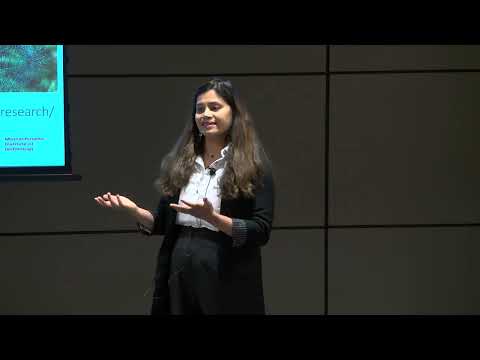
Fast fashion creates massive environmental damage through synthetic fibres, textile waste, and microplastic pollution. This research develops Ioncell, an eco-friendly, closed-loop technology that dissolves cellulose materials and regenerates durable, biodegradable fibres. It also enables recycling of cellulose textile waste, offering a promising sustainable alternative to synthetic fibres and reducing global textile pollution.

This research develops a model to identify unreliable or manipulated environmental, social, and governance (ESG) claims made by South African companies. Using prior studies and a large ESG database, the model detects authenticity, flags potential manipulation, and cross-checks with known scandals. The goal is to measure genuine ESG commitment and protect stakeholders from misleading sustainability reporting.
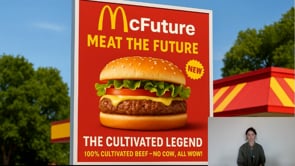
Cultivated meat grows animal cells in bioreactors to produce real meat without slaughter. Although approved in several countries, high production costs limit widespread availability. This research targets the genetic pathways controlling cell growth to improve efficiency and lower costs, aiming to make affordable cultivated meat widely accessible and environmentally sustainable.