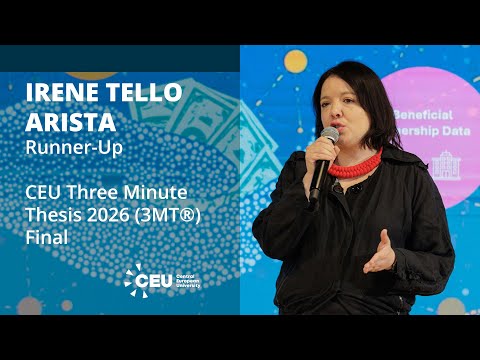
This research examines how beneficial ownership registers can expose corruption in public procurement. By analyzing data quality, corruption adaptation strategies, and ownership complexity, it shows how gaps and missing data can be used to detect fraud and design smarter anti-corruption efforts, ensuring public funds reach essential healthcare.
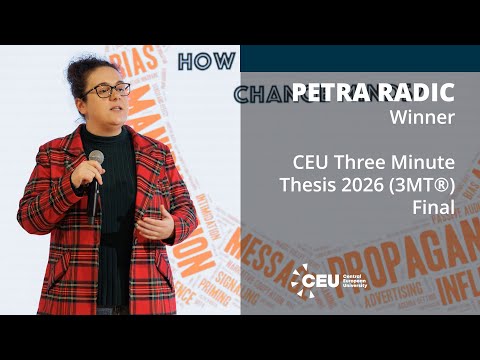
This research investigates how propaganda transforms beliefs, turning neighbors into perceived enemies. By analyzing decades of media data from democratically declining societies and testing persuasive mechanisms experimentally, the project identifies which narratives most effectively fuel polarization, ethnic hatred, and democratic erosion—knowledge essential for resisting modern propaganda.

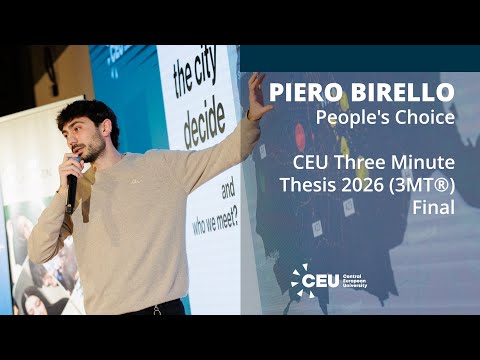
This research shows how urban design shapes daily mobility and social encounters. Access to shops and transport influences how often people travel, how long they stay out, and who they meet. Cities do not just organize movement—they also structure social segregation and diversity through spatial design.