
This research investigates using light-sensitive proteins to control cardiac electrical activity and treat arrhythmias. By precisely guiding heart rhythms with light rather than drugs or shocks, the study identifies proteins capable of suppressing dangerous premature signals, offering a reversible, non-invasive alternative to current heart disease treatments.
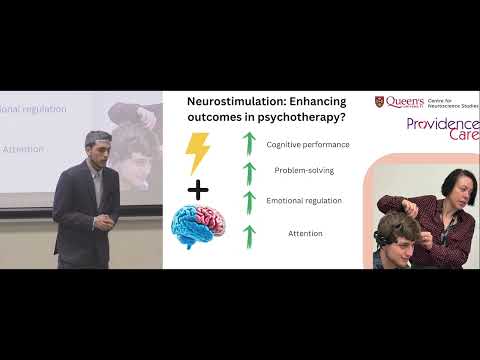
This research investigates transcranial electrical stimulation (tACS) as a non-invasive way to modulate prefrontal cortex activity in people with severe mental disorders such as schizophrenia. By measuring brain activity, cognition, and behavior, the study aims to identify conditions where tACS is effective and offer a safe, accessible therapeutic alternative.