This research develops an affordable, scalable platform for recording electrical activity from brain organoids. Using innovative basket-shaped sensors made from a low-cost conductive material, the system enables simultaneous recording from dozens of mini-brains, accelerating drug discovery and improving our understanding of brain diseases with more human-relevant laboratory models.
This research improves neural implants for vision restoration by reproducing natural brain activity patterns. Using a two-way stimulation approach in the retina, electrical signals are optimized to activate neurons precisely. This enables more accurate visual perception, moving beyond crude light flashes toward meaningful vision, with potential to restore recognition of familiar faces.
Despite major advances in medicine, wound care has changed little in a century. This research explores how natural electrical signals in injured skin guide healing. By developing devices that mimic these signals, scientists aim to accelerate recovery and improve treatment for chronic wounds through bioelectric control of cellular behaviour.
This research investigates using light-sensitive proteins to control cardiac electrical activity and treat arrhythmias. By precisely guiding heart rhythms with light rather than drugs or shocks, the study identifies proteins capable of suppressing dangerous premature signals, offering a reversible, non-invasive alternative to current heart disease treatments.
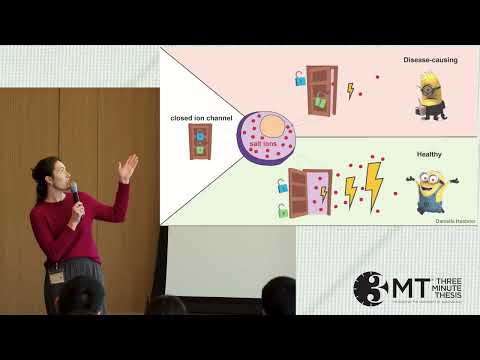
Electrical signals in the body depend on ion channels that regulate salt movement across cell membranes. When these channels malfunction, diseases like epilepsy and heart arrhythmias can occur. This research decodes how faulty ion channels work, revealing potassium-based mechanisms that could restore electrical signaling and guide new therapies.
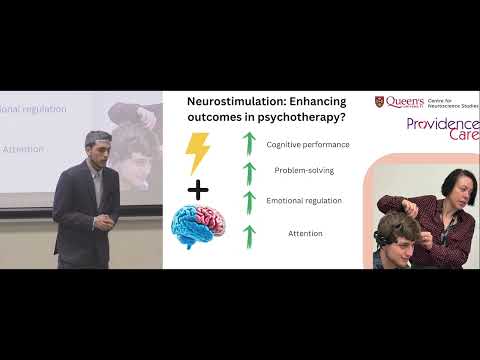
This research investigates transcranial electrical stimulation (tACS) as a non-invasive way to modulate prefrontal cortex activity in people with severe mental disorders such as schizophrenia. By measuring brain activity, cognition, and behavior, the study aims to identify conditions where tACS is effective and offer a safe, accessible therapeutic alternative.