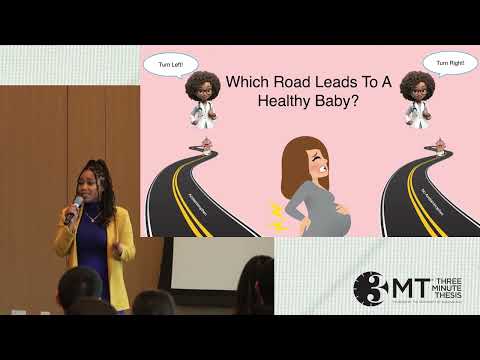
This qualitative study examines the emotional impact of pregnancy loss on Black women. Interviews reveal medicalized trauma, dismissal within healthcare systems, and profound isolation—framed as the Invisible Cradle Theory. The research calls for recognizing pregnancy loss within maternal mortality care and improving culturally responsive support, validation, and mental health resources.

This research shows that genetic risk scores alone are insufficient for predicting chronic disease. By incorporating social and environmental factors using machine learning, disease prediction improves substantially, especially for disadvantaged populations. Integrating genetic and social risk is essential for equitable, effective personalized medicine.

Acetaminophen is widely used in pregnancy despite limited evidence about its risks. This research examines whether acetaminophen affects birth timing and weight, who uses it and why, and how clinicians make recommendations. By mapping lived experiences, medical guidance, and outcomes, the project aims to clarify risks and support informed decision-making for families.